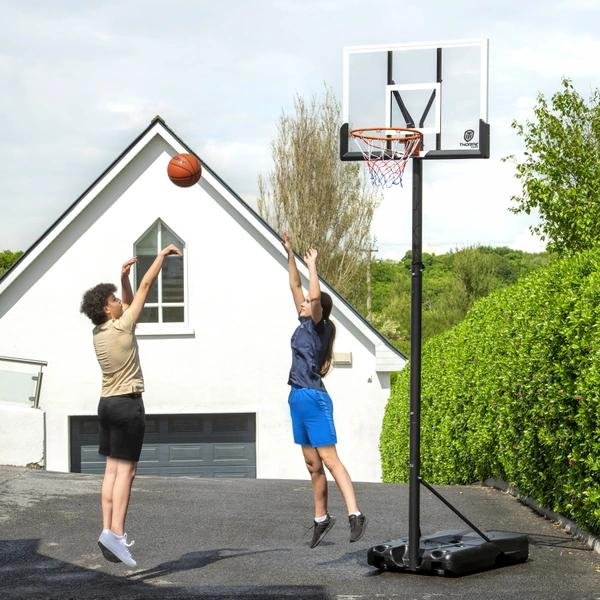



Outdoor Basketball Hoop
What is it?
Mini football is an introductory version of football designed to help younger players build confidence, develop core skills, and enjoy the game in a fun and manageable environment. Played with smaller teams, smaller pitches, and age-appropriate rules, mini football gives players more touches of the ball, more chances to pass, defend, move, and score, helping them learn the fundamentals of the game while staying actively involved. The format focuses on enjoyment, teamwork, coordination, and developing a love for football from an early age.
Different players in mini football begin to explore attacking and defensive responsibilities, learning how to support teammates, create space, protect possession, and work together as a team. With fewer players on the pitch, every child has more opportunities to be involved in the action, helping them build confidence, improve decision-making, and develop technical skills such as passing, dribbling, control, and shooting. The game encourages learning through play, communication, and active participation.
Mini football is widely played in schools, clubs, and community programmes, creating a welcoming pathway into one of the world’s most loved team sports. Designed to match the age and stage of young players, it helps children build fitness, resilience, confidence, and teamwork while developing the foundations needed to progress into larger formats of the game. Mini football makes football accessible, enjoyable, and exciting for the next generation of players.
Explore Activity Types
After exploring this page below, and discovering all about the activity, and deciding that you wish to learn more, progress as a Trailblazor by exploring the Activity types to decide which one interests you.
On Activity Type Pages, you will have the opportunity to attempt Simply Grow Missions to develop your skills, and decide if you wish to challenge yourself with Simply Inspire Missions to progress as an Activity Ambassador.
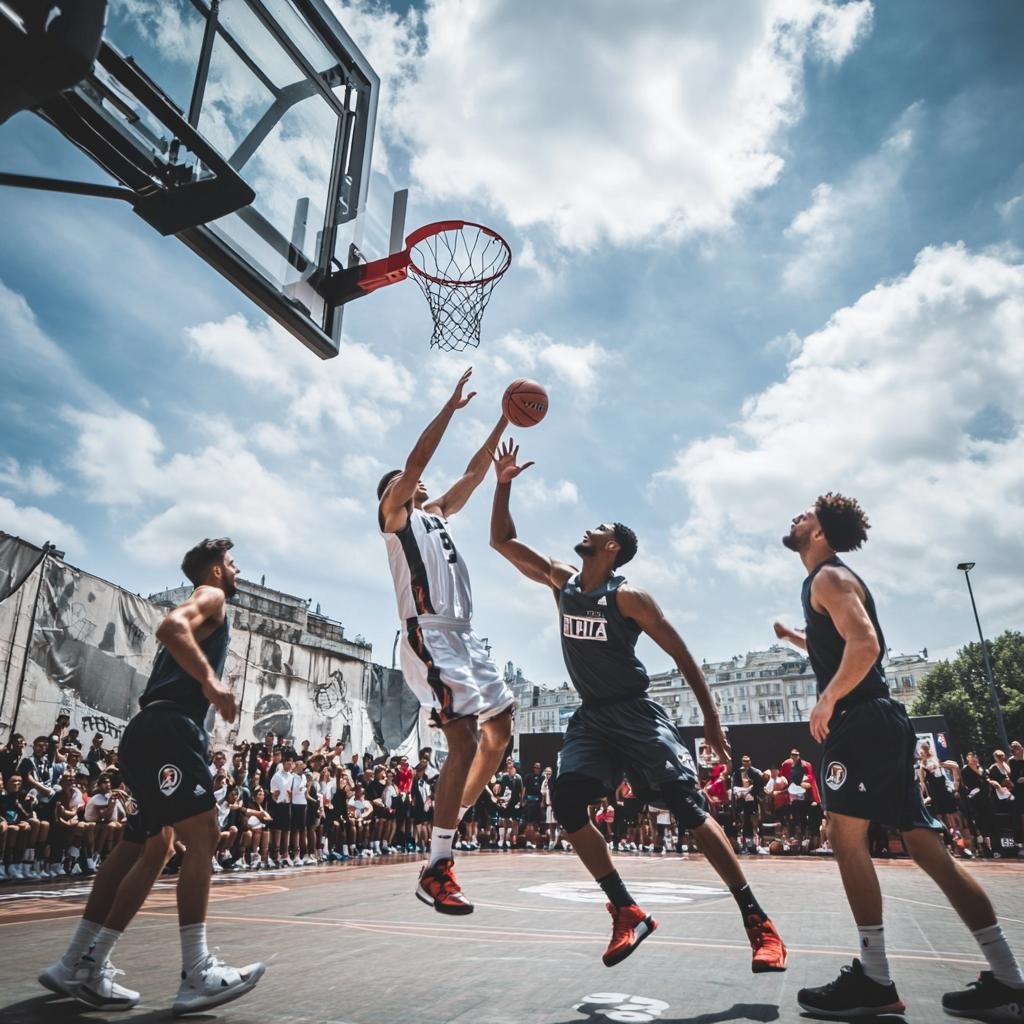
Street Basketball
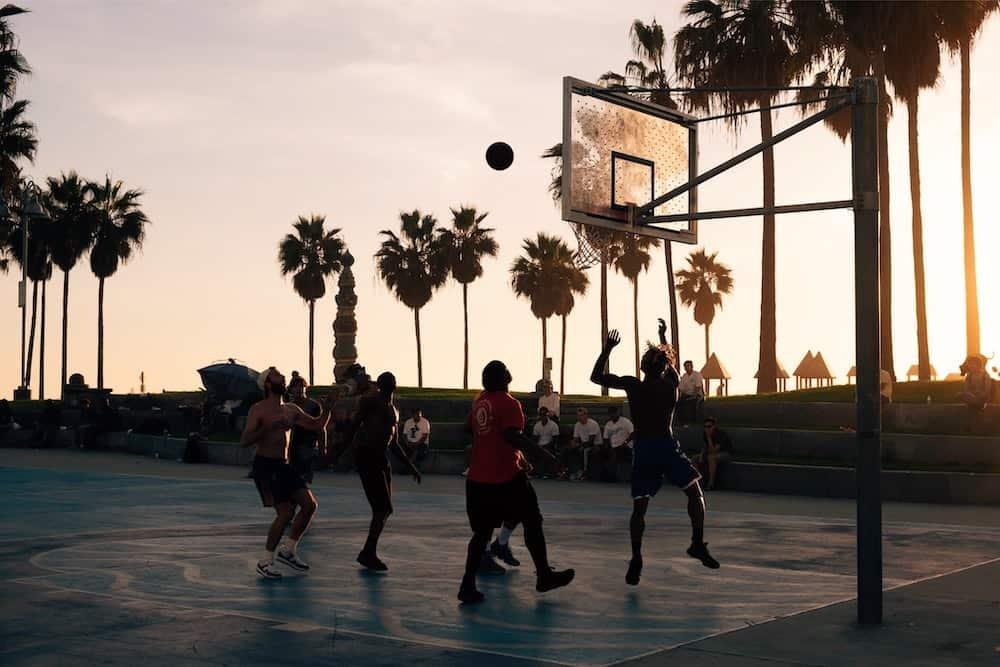
Street basketball is a more informal and creative way to enjoy basketball, often played outdoors on local courts, playgrounds, or community spaces. Games can be played one-on-one or in small teams, with flexible rules that may vary depending on the players. The focus is often on quick play, creativity, skill, and enjoying the game in a relaxed but energetic environment where players can express themselves and develop confidence with the ball.
Players taking part in street basketball often rely on fast reactions, ball control, movement, shooting, and individual skill to create scoring opportunities and outplay opponents. Because games are usually less structured than formal basketball matches, players often adapt quickly, communicate with teammates, and use creativity to solve challenges in the moment. Street basketball can help develop confidence, coordination, resilience, and important basketball skills in a fun social setting.
Street basketball is played around the world and has become an important part of basketball culture, inspiring communities, creativity, and a love for the game beyond formal clubs and competitions. The game is known for its freedom, flair, skill, and social energy, where players enjoy challenging themselves and others in a less formal setting. If you enjoy creativity, quick play, individual skill, and playing basketball with friends, street basketball is a fantastic way to enjoy the sport.
3-a-side Basketball
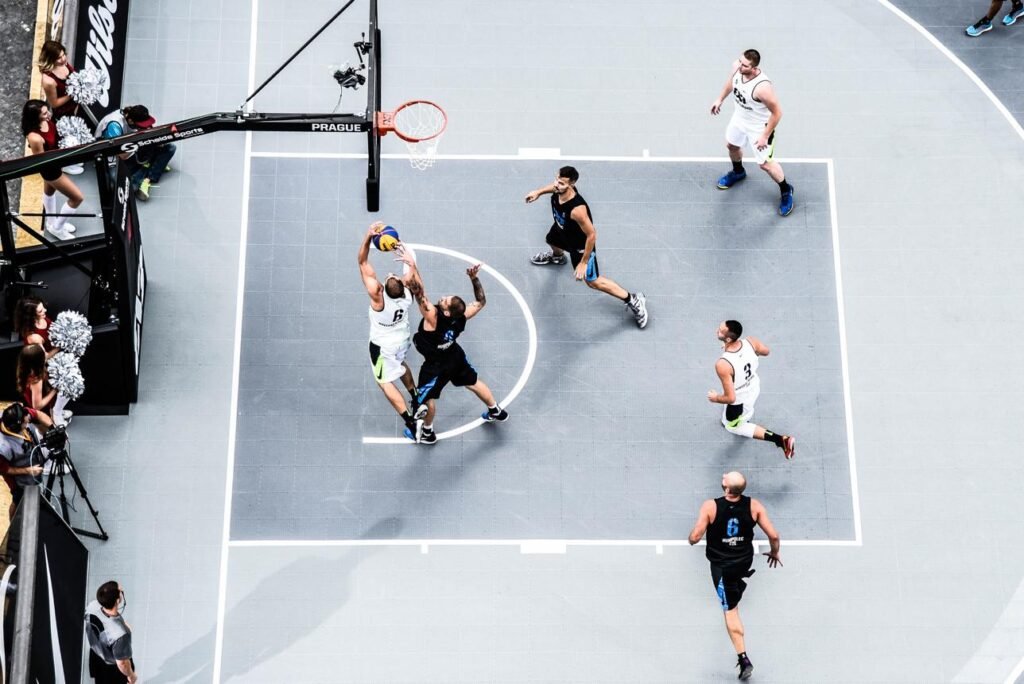
3-a-side basketball is a smaller-team version of basketball played with three players on each side instead of five, creating more space, quicker transitions, and constant action around the court. Usually played on a half court with one hoop, players work together to pass, dribble, defend, and score points, with quick reactions and smart movement playing a big role throughout the game. Because there are fewer players, every decision matters and players are often involved in every moment of play.
Every player in 3-a-side basketball takes on both attacking and defensive responsibilities, meaning teamwork, communication, and adaptability are essential. With more space to move and fewer teammates to rely on, players often need strong ball skills, quick thinking, creativity, and confidence to create scoring opportunities and defend against fast attacks. The pace of the game keeps players constantly involved from start to finish.
3-a-side basketball is recognised around the world as an official competitive format and is even part of the Olympic Games, helping the sport grow across different countries and communities. The game is known for its speed, energy, teamwork, and exciting one-on-one moments, where players must think quickly and support each other throughout. If you enjoy fast decision-making, teamwork, quick movement, and exciting competitive play, 3-a-side basketball is a brilliant format to explore.
Junior Basketball
Junior basketball is a more structured version of the game designed for older children, where players build confidence, develop stronger skills, and begin playing with rules that increasingly reflect full basketball. Players work together to pass, dribble, shoot, defend, and score points while developing teamwork, communication, positioning, and game awareness. As the pace increases, players are encouraged to think faster, make smart decisions, and take greater responsibility as part of the team.
Every player in junior basketball plays an important role in both attacking and defending, helping them develop confidence, resilience, coordination, and stronger technical skills. Players begin to understand tactical movement, spacing, support play, and how teamwork can create scoring opportunities or stop the opposition. Junior basketball helps young players transition from learning the fundamentals into more competitive and structured versions of the sport.
Junior basketball is played in schools, clubs, and youth leagues around the world, giving children aged 8+ the opportunity to grow their skills and confidence in a fun but increasingly competitive environment. The game is known for teamwork, discipline, progression, and exciting moments, helping players prepare for formats such as 5-a-side basketball, 3×3 basketball, and other competitive pathways. If you enjoy teamwork, skill development, quick decision-making, and energetic team sport, junior basketball is a fantastic way to grow your basketball journey.
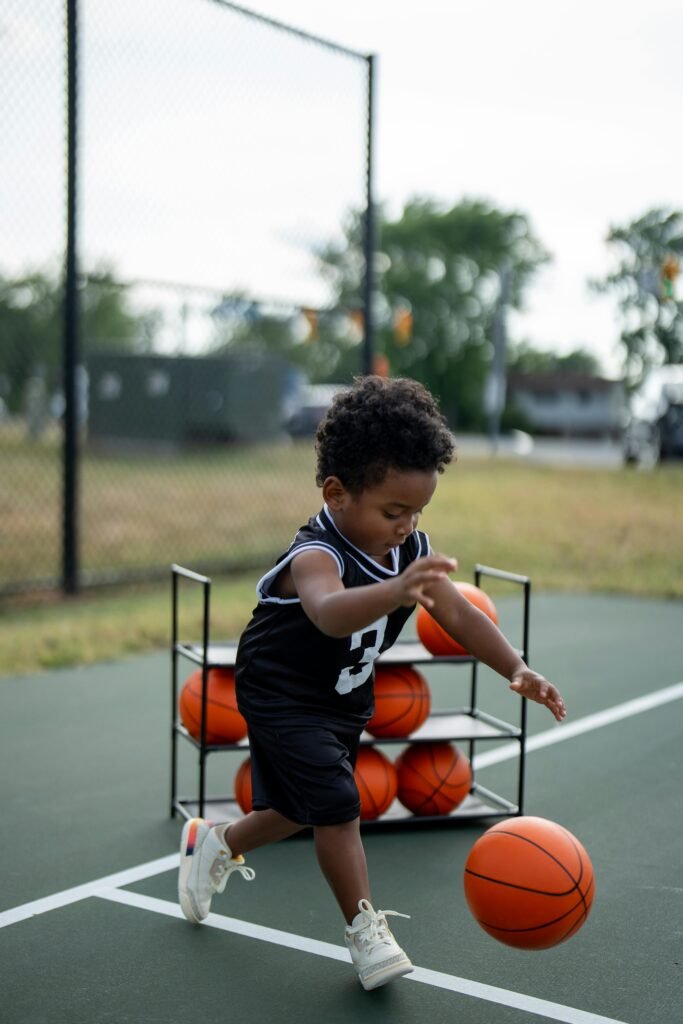
Mini Basketball
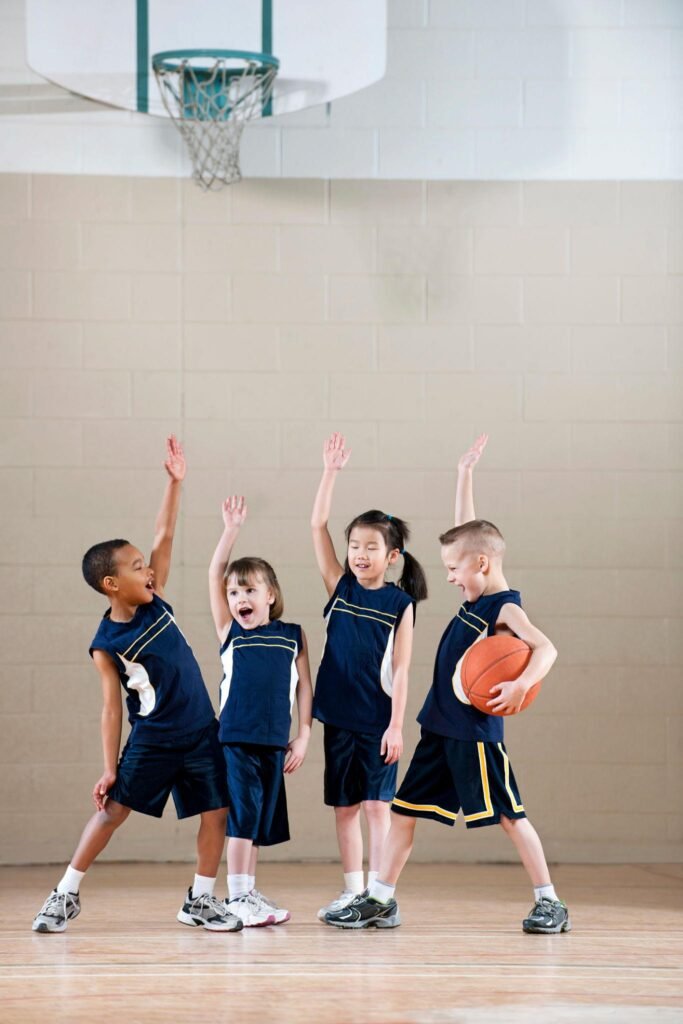
Mini basketball is an introduction to basketball designed for younger players, helping children learn the game in a fun, supportive, and age-appropriate way. Games are often adapted with smaller teams, simplified rules, and equipment that suits younger players, making it easier to build confidence while learning how to pass, dribble, shoot, move, and work together as a team. The focus is on enjoyment, participation, and developing the foundations of the game step by step.
Every player in mini basketball is encouraged to get involved, helping children build teamwork, communication, coordination, and important ball skills in a positive environment. With rules designed to support learning and development, players can practise decision-making, movement, and teamwork while gaining confidence as they grow. The aim is to help children enjoy basketball while preparing them for more structured versions of the game in the future.
Mini basketball is played in schools, clubs, and junior programmes around the world as an important starting point for young players discovering the sport. The game is known for encouraging confidence, teamwork, respect, and active participation, helping children learn key skills while having fun with friends. If you enjoy movement, teamwork, learning new skills, and energetic team games, mini basketball is a brilliant place to start your basketball journey.
Wheelchair Basketball
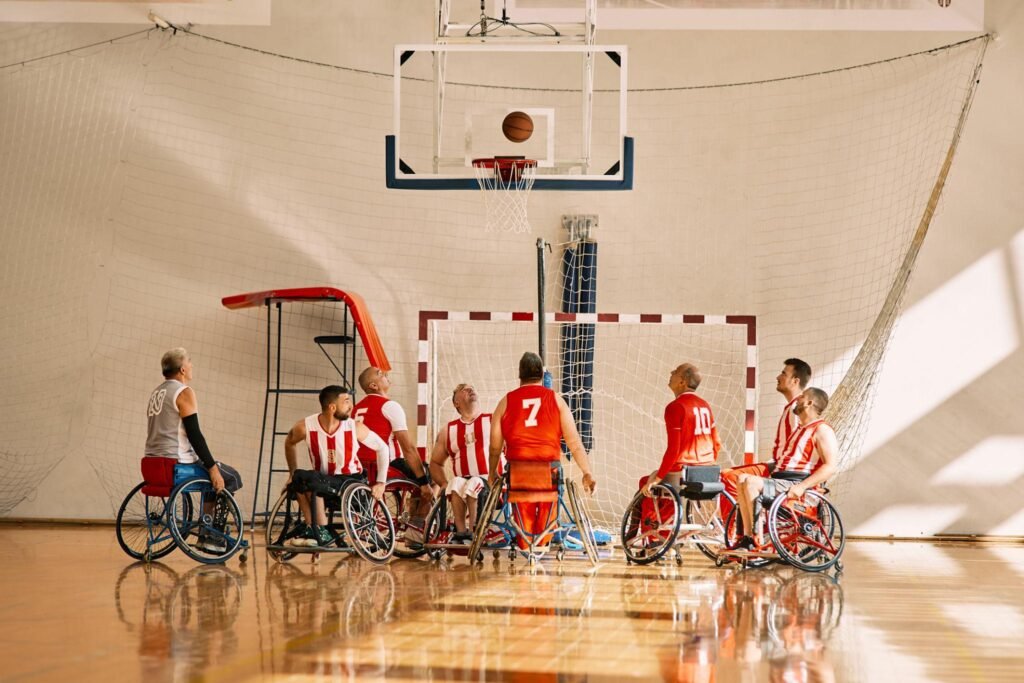
Wheelchair basketball is a highly skilled and fast-moving version of basketball where players compete using specially designed sports wheelchairs, combining speed, strength, strategy, and exceptional control. Players work together to pass, dribble, defend, and score points just like in traditional basketball, but with the added challenge of controlling the chair, moving quickly across the court, and making rapid decisions under pressure. The game demands intense concentration, teamwork, coordination, and athletic ability from every player.
Every player in wheelchair basketball plays a vital role in both attacking and defending, using strength, positioning, tactical awareness, and sharp ball skills to create opportunities and stop opponents. Players must think quickly, communicate constantly, and combine precise movement with strong teamwork, making the game physically demanding, highly competitive, and incredibly dynamic from start to finish. The skill required to control the chair while handling the ball and reacting at speed adds an extra layer of challenge to every moment of play.
Wheelchair basketball is played around the world at club, national, and elite international level, including the Paralympic Games, where it is recognised as one of the most exciting and competitive wheelchair sports. The game is known for its resilience, determination, teamwork, and outstanding athletic skill, inspiring players and audiences alike. If you enjoy teamwork, strategy, fast reactions, and highly competitive sport, wheelchair basketball is an incredible format to explore.
5-a-side Basketball
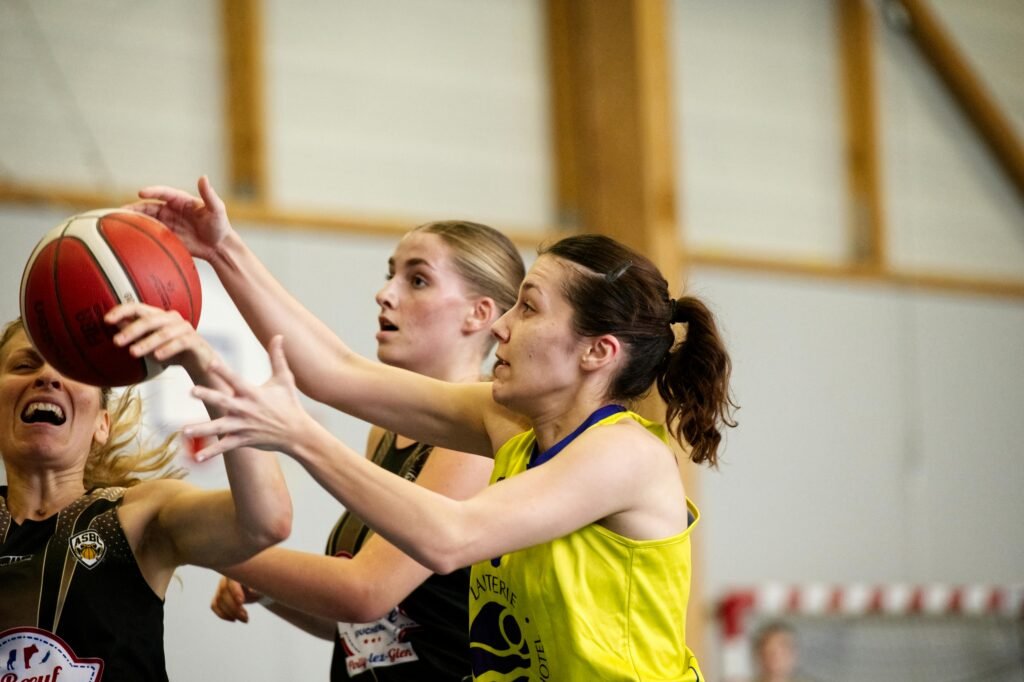
5-a-side basketball is the traditional full-team version of the game, played with five players on each side across a full court with two hoops. Players work together to pass, dribble, defend, and score points by shooting the ball through the basket, using teamwork, communication, and strategy to outplay the opposition. With more players on the court, different positions and roles often become important, helping teams attack, defend, and control the flow of the game.
Every player in 5-a-side basketball plays an important part in helping the team succeed, whether that means creating scoring opportunities, defending the basket, moving the ball quickly, or supporting teammates across the court. Some players may focus on speed and ball handling, while others use positioning, teamwork, and smart decision-making to create space and protect possession. The game combines skill, teamwork, movement, and tactical thinking from start to finish.
5-a-side basketball is played all around the world and is the most widely recognised format of the sport, from schools and community clubs to elite international competitions. The game is known for its teamwork, sportsmanship, energy, and exciting moments, where players learn to communicate, trust each other, and work together under pressure. If you enjoy teamwork, movement, skill, strategy, and exciting full-court action, 5-a-side basketball is a fantastic format to explore.
Early-Years Basketball (Foundation)
Mini football is an introductory version of football designed to help younger players build confidence, develop core skills, and enjoy the game in a fun and manageable environment. Played with smaller teams, smaller pitches, and age-appropriate rules, mini football gives players more touches of the ball, more chances to pass, defend, move, and score, helping them learn the fundamentals of the game while staying actively involved. The format focuses on enjoyment, teamwork, coordination, and developing a love for football from an early age.
Different players in mini football begin to explore attacking and defensive responsibilities, learning how to support teammates, create space, protect possession, and work together as a team. With fewer players on the pitch, every child has more opportunities to be involved in the action, helping them build confidence, improve decision-making, and develop technical skills such as passing, dribbling, control, and shooting. The game encourages learning through play, communication, and active participation.
Mini football is widely played in schools, clubs, and community programmes, creating a welcoming pathway into one of the world’s most loved team sports. Designed to match the age and stage of young players, it helps children build fitness, resilience, confidence, and teamwork while developing the foundations needed to progress into larger formats of the game. Mini football makes football accessible, enjoyable, and exciting for the next generation of players.
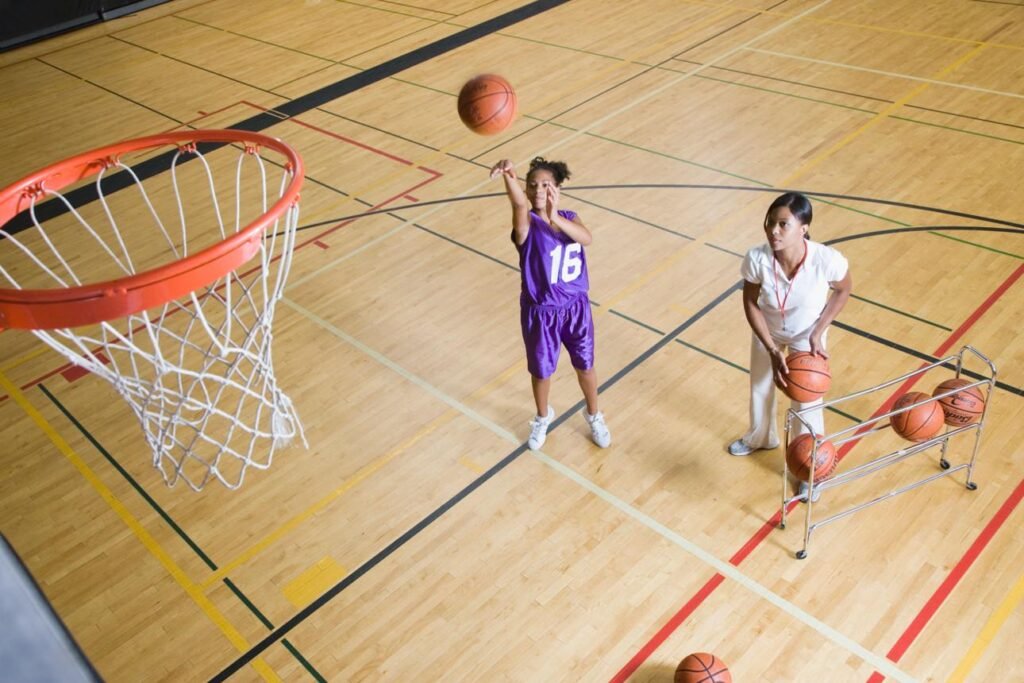
Shooting Games
Shooting games are basketball skill-based activities that focus on accuracy, control, and technique rather than full team competition. Players practise shooting the ball from different distances, angles, or challenge zones, often aiming to score points by hitting specific targets or completing timed challenges. Unlike full basketball matches, the focus is on developing shooting confidence, repetition, and individual skill improvement in a fun and engaging way.
Players taking part in shooting games can improve hand-eye coordination, concentration, balance, technique, and decision-making while challenging themselves to score from different positions around the court. Some games can be played alone, while others involve friends, teammates, or mini competitions, helping players build confidence while practising important basketball skills in a more relaxed environment.
Shooting games are used in schools, clubs, training sessions, and casual basketball play around the world as a fun way to improve shooting ability and overall confidence with the ball. They are known for being flexible, creative, and enjoyable, making basketball accessible whether you are just starting out or looking to sharpen your skills. If you enjoy aiming for the hoop, improving your technique, and taking on fun skill challenges, shooting games are a fantastic way to enjoy basketball.
Simply Snapfacts
Why are chain basketball nets common on outdoor courts?
Metal chain nets survive weather and rough outdoor conditions better than fabric nets.
Street Basketball
0
Why are mini basketball hoops lower for children?
Lower hoops help young players develop proper shooting technique before moving to full-height baskets.
Junior Basketball
0
Why does 3x3 Basketball only use one hoop?
Games are played on a half-court with both teams attacking and defending the same basket.
3-a-side Basketball
0
What happens if a wheelchair basketball player pushes too many times without dribbling?
Players must bounce the ball after every two pushes of the chair or they lose possession.
Wheelchair Basketball
0
Why do smaller basketball games improve dribbling skills quickly?
Fewer players create more space and force everyone to handle the ball more often.
5-a-side Basketball
0
Competitive Formats
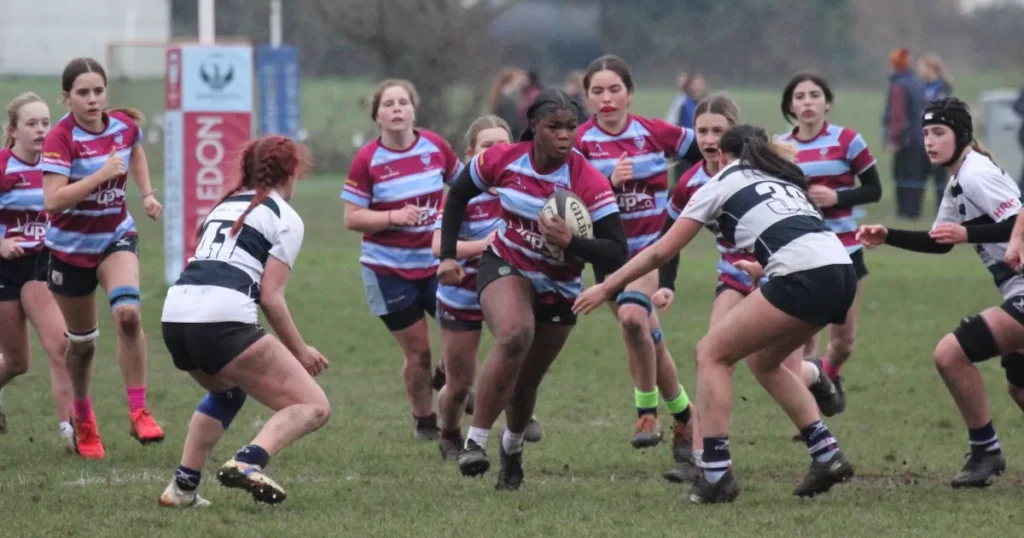
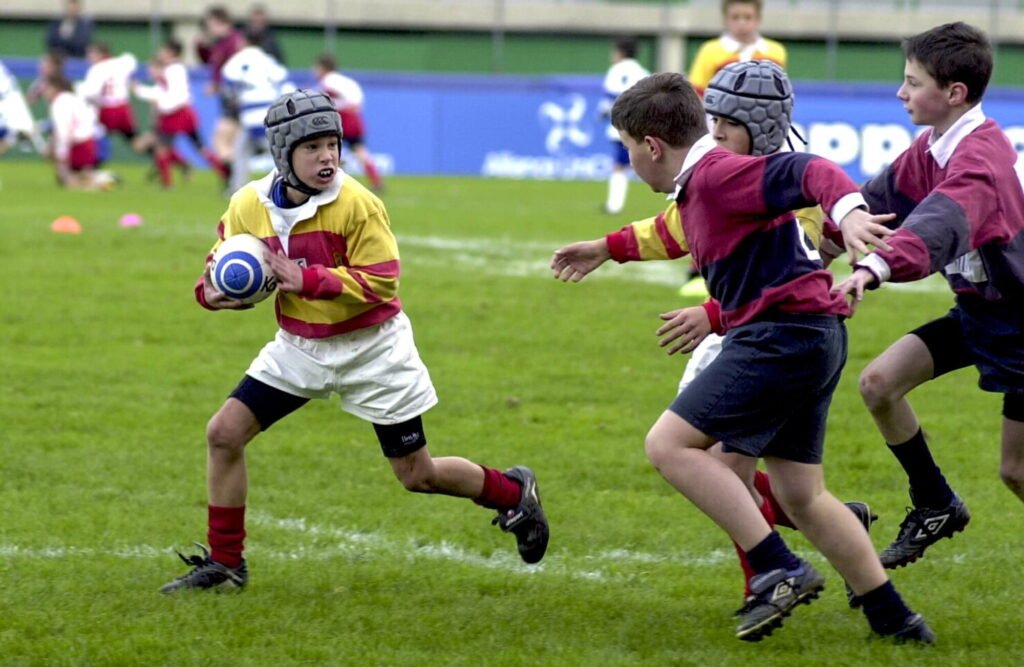
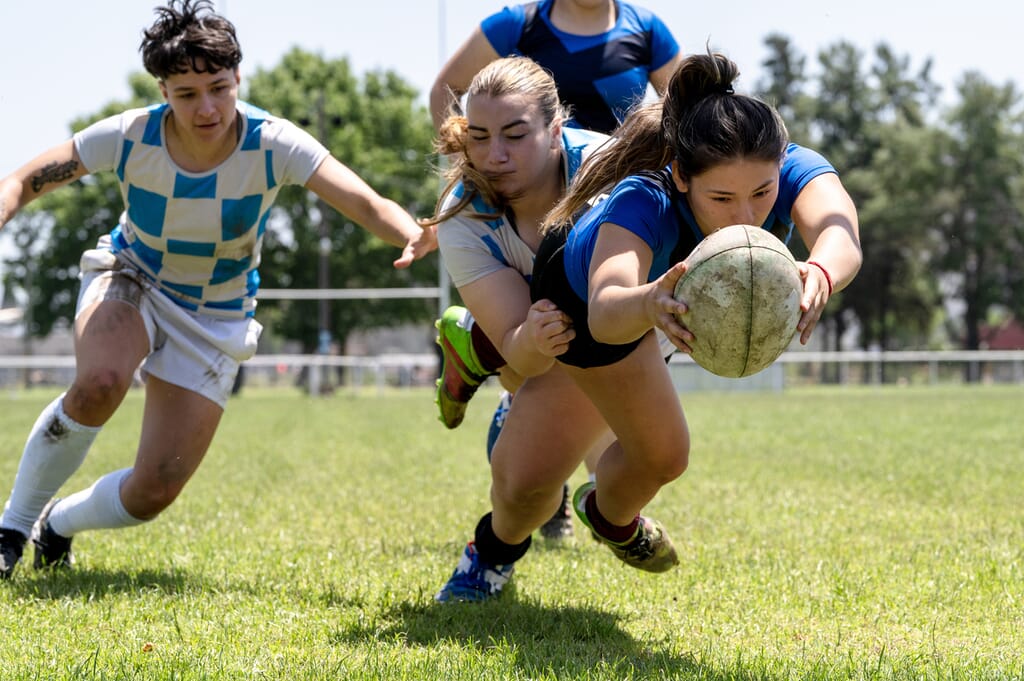
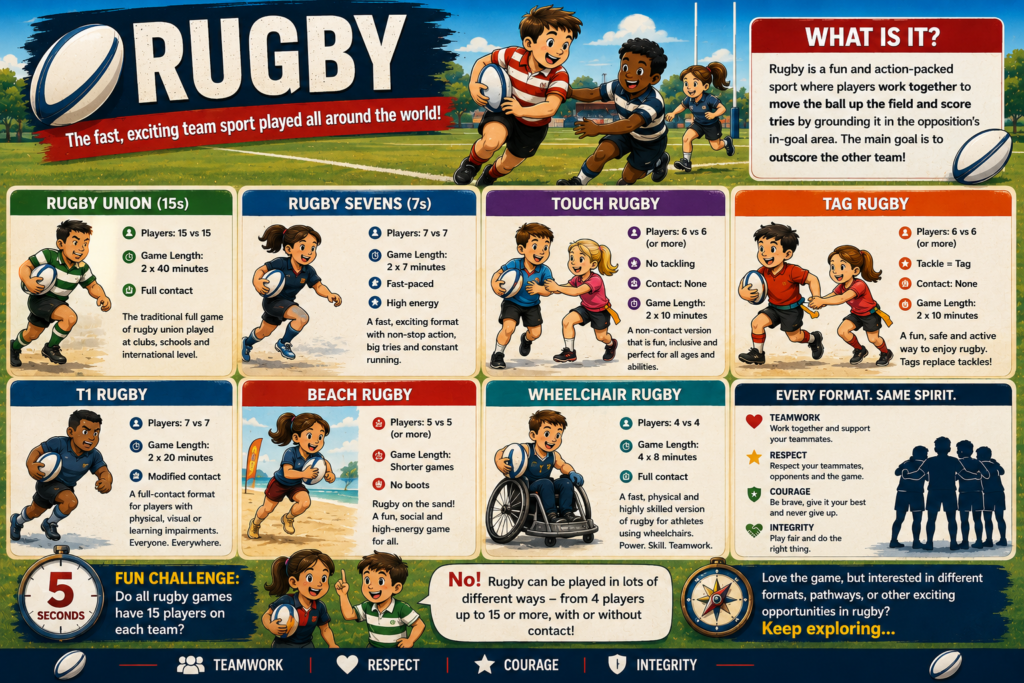
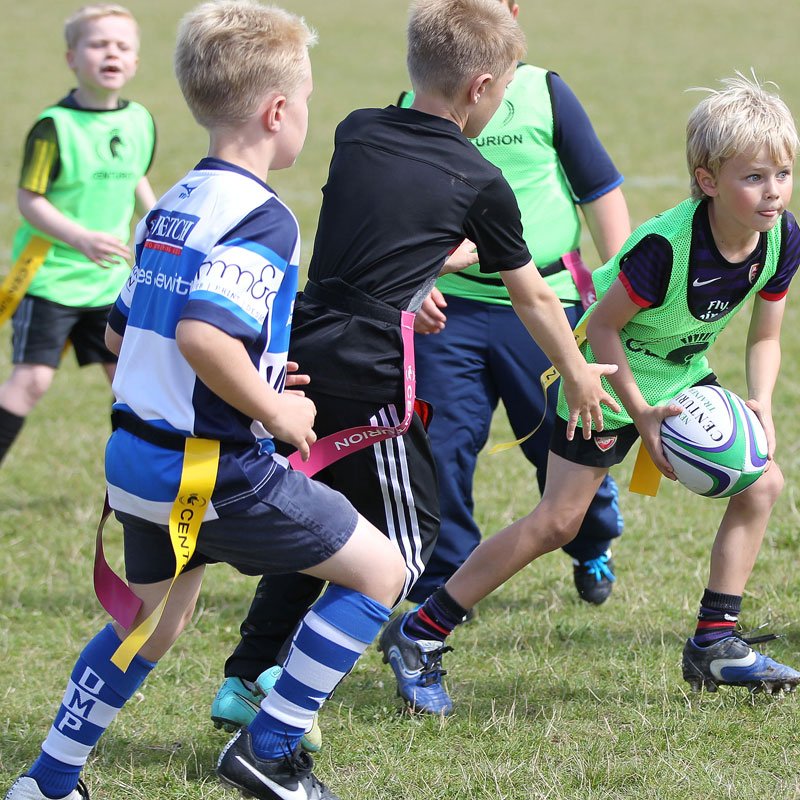
Rugby is a diverse and inclusive sport that, the aim is to advance the ball forward, to score a try. Whether you enjoy fast-paced running games, physical challenges, strategic teamwork or adaptive formats, there is a version of rugby to suit different interests, abilities and goals. Each format has its own rules, number of players, playing environment, playing time and, in many cases, its own governing body or competition structure. While every version is unique, all share rugby’s core values of respect, teamwork, confidence and belonging.
Non-Contact Rugby
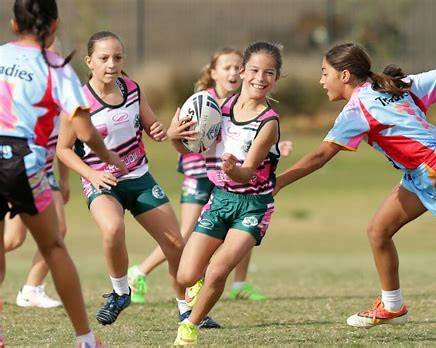
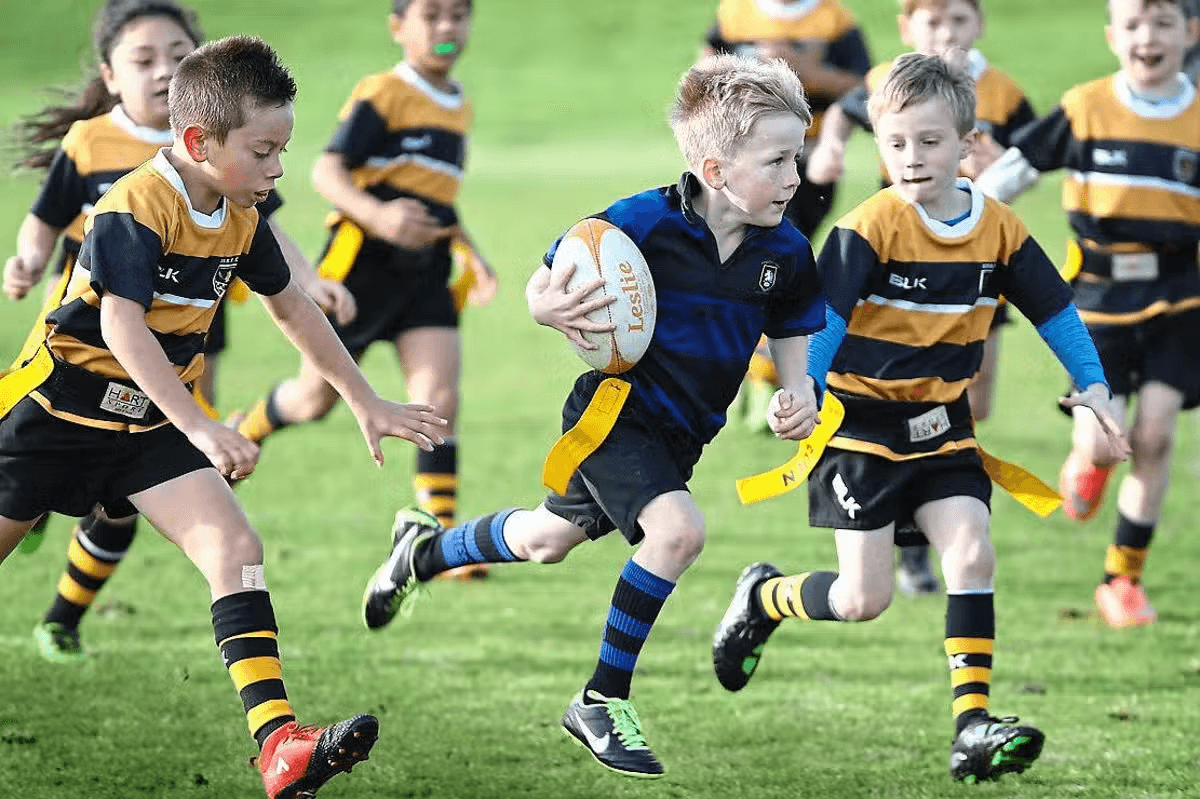
Non-contact rugby includes formats where tackling is replaced by touches, tags or other methods of stopping play, making the game more accessible while still retaining many of rugby’s core skills and principles. It focuses on passing, movement, teamwork, decision-making and spatial awareness, often with fewer stoppages and a faster flow of play. Each format has its own rules, number of players, playing time, pace and governing body. Non-contact rugby can also be adapted to support players of different ages, abilities and needs, and always searching for new ways that more people can enjoy and participate in the game.
- Touch Rugby
- Tag Rugby
- T1 Rugby
Contact Rugby
Contact rugby includes formats where touches or tags are replaced with unique elements like scrums, rucks, mauls and line-outs. These elements of the game are introduced after game is stopped by penalty or tackling and physical contact that form part of the game. Games can differ significantly in rules, number of players, playing time, pace, playing environment and governing bodies. Many formats can too feature unique elements such as kicking contests and set pieces, while adaptive formats may modify or replace some of these aspects and can be either contact or non-contact depending on the version being played. Each offers its own challenges, requiring skill, teamwork, determination and resilience.
- Rugby Union
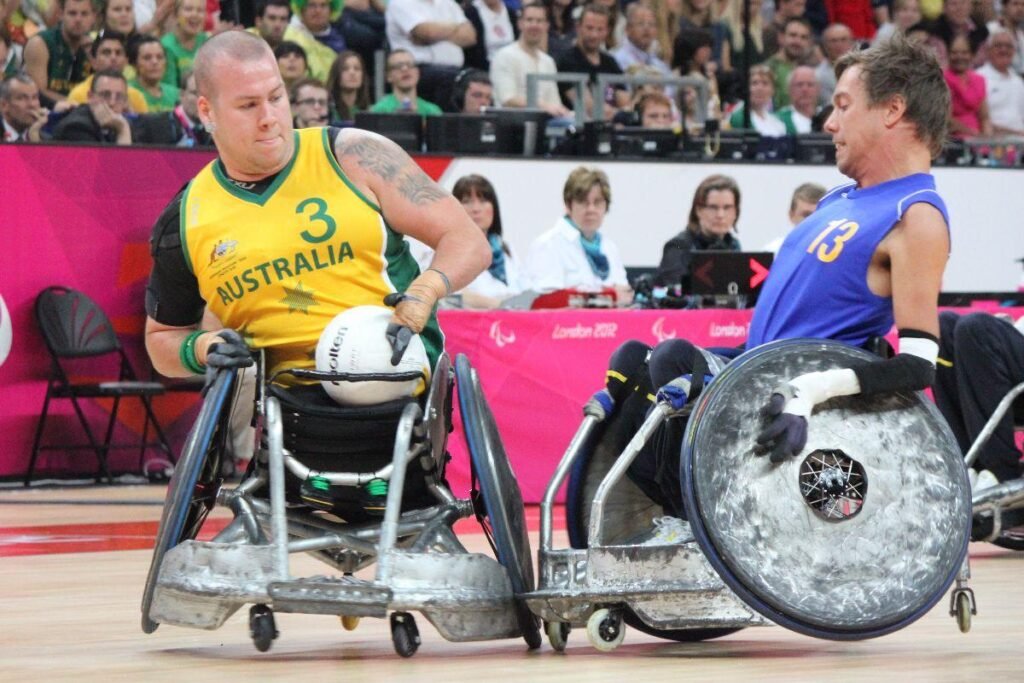
- Wheelchair Rugby
- Rugby League
- Beach Rugby
- Rugby Sevens
Inclusive Rugby
Rugby has continued to develop new formats to engage all individuals, irrespective of ability, experience or circumstances to participate, challenge themselves and enjoy being part of the game. Every individual is encouraged to contribute, support others and recognise the unique strengths that each person brings to the team. By working together, players learn how different skills, perspectives and abilities can unite to achieve a common goal. The games can take on one or a combination of rugby disciplines, based on participants and programme. Whether participating recreationally or competitively, inclusive rugby demonstrates that success is defined by resilience, character, commitment and the willingness to work alongside others. It reflects the spirit of rugby at its best, where everyone has a role to play, every contribution is valued and teams become stronger through collaboration, trust and mutual respect.
- Mixed ability Rugby
- Visually Impaired Rugby
- Walking Rugby
Competitive Pathways
Competitive pathways provide a general guide to some of the adventures and opportunities that may be available as you grow, develop and gain experience. They are designed to show what is possible, not define your pathway.
We all have different goals, and those goals can change over time. You may want to have fun, learn new skills, make friends, stay active, compete, or simply try something new. Different activity formats, countries and governing bodies may offer different pathways and experiences.
Explore the possibilities, discover what you enjoy, and choose the pathway that best supports your own Simply Story.
July 5

Early Years Foundation
Discover movement, play, coordination and basic skills through fun, age-appropriate activities.
February 2
Mini's
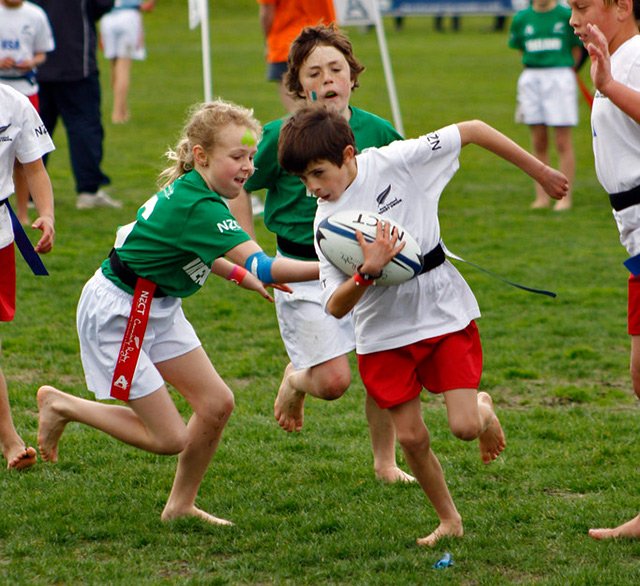
Learn the fundamentals, develop confidence and begin playing in simple games and team environments.
January 31
Juniors
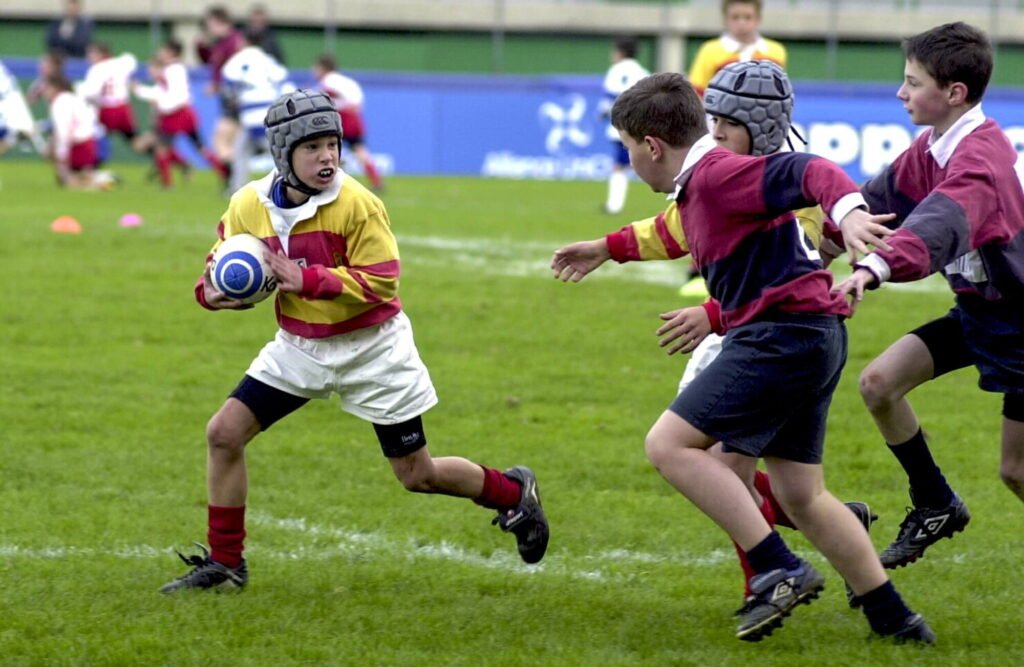
Build skills, understanding and experience through regular training, competition and personal development.
January 31
Regional
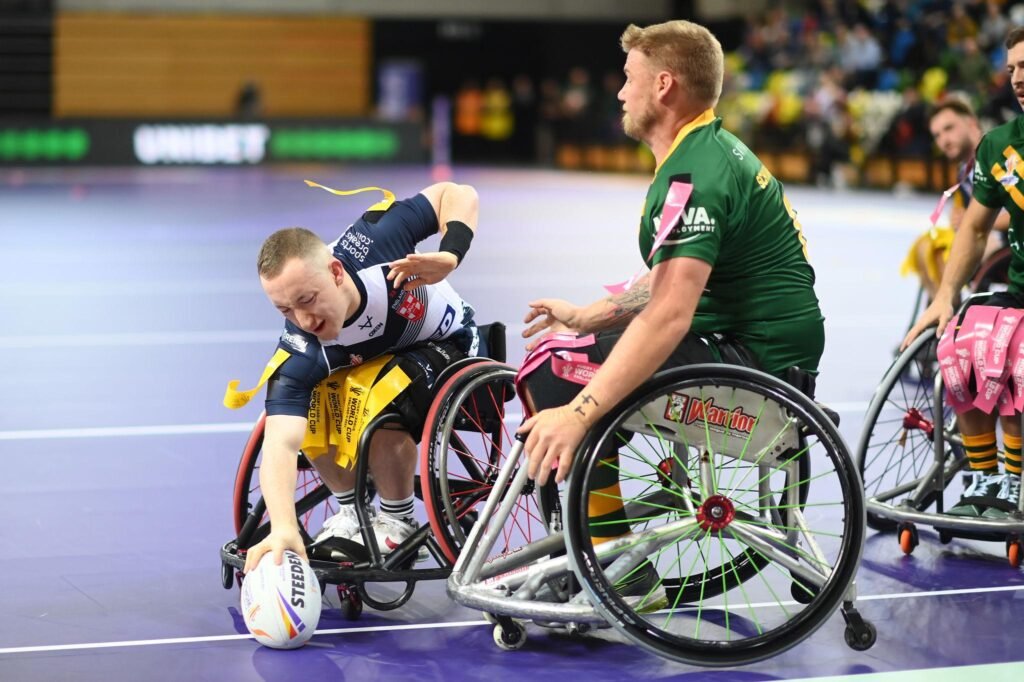
Represent a wider area, competing against stronger opposition and demonstrating advanced ability and commitment.
January 31
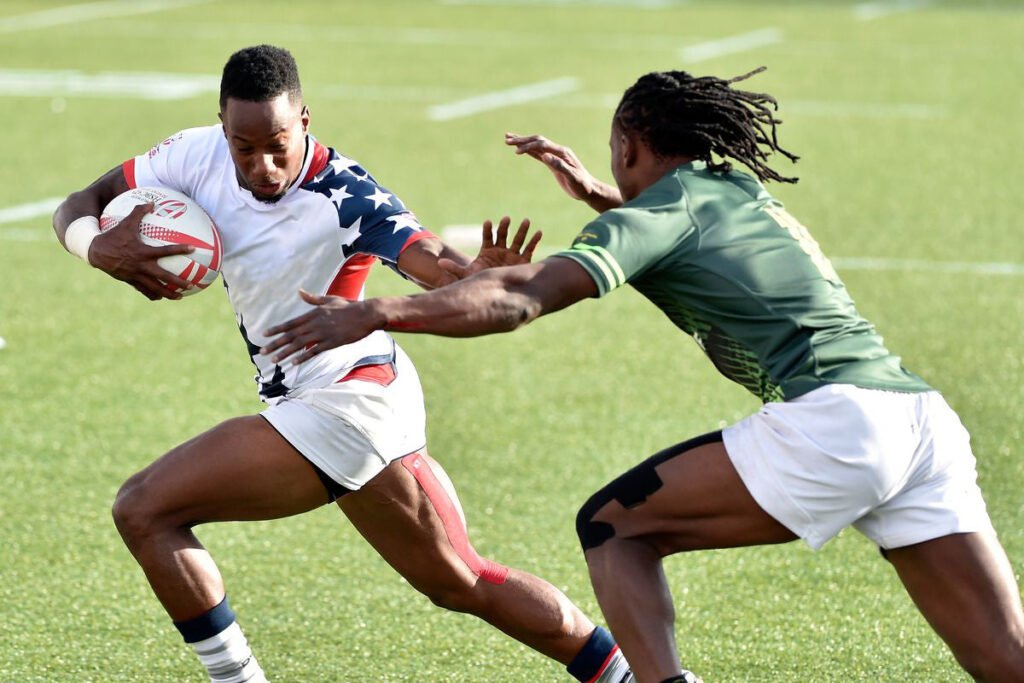
National
Compete or represent at a national level, performing among the highest standard of players in the country.
January 31
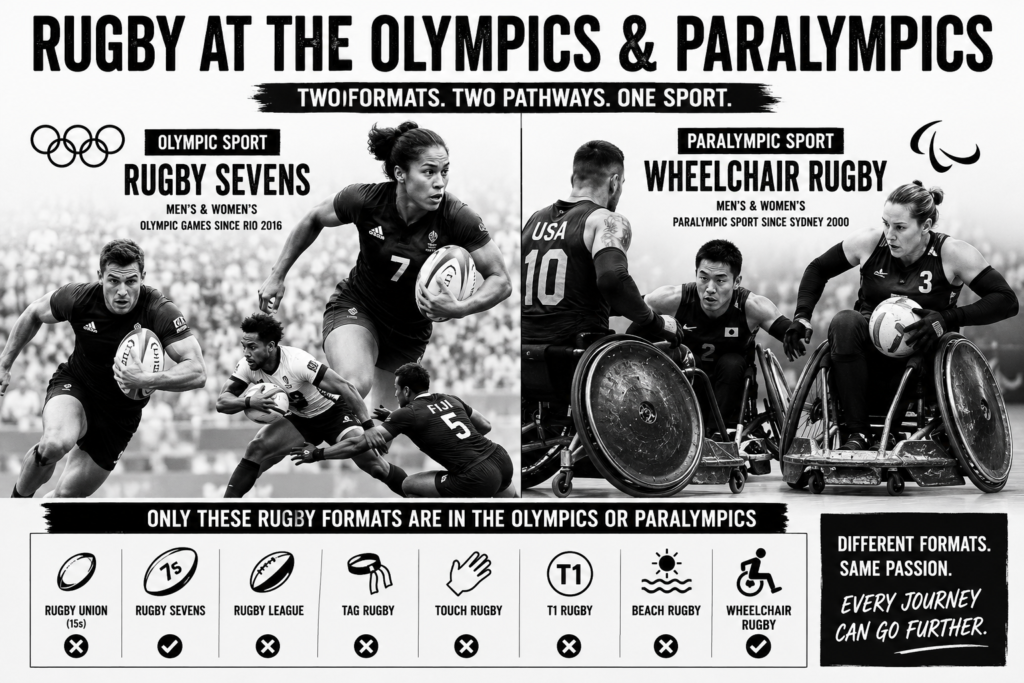
Olympics / ParaOlympics
Compete on the world stage, representing your country at elite international competitions, Olympic or Paralympic events.

Search for a Local Club
Simply FACT
Simply History
1871
Rugby Union
Rugby Union was formally organised in 1871 when the Rugby Football Union was founded in England to standardise the rules.
1883
Rugby Sevens
Rugby Sevens was created in Melrose, Scotland, in 1883 by Ned Haig and David Sanderson as a fundraising tournament.
1895
Rugby League
Rugby League was created in 1895 when northern English clubs split from Rugby Union over payments for players who missed work.
1960
Touch Rugby
Touch Rugby developed strongly in Australia in the 1960s and 1970s as a non-contact rugby-style sport.
1977
Wheelchair Rugby
Wheelchair Rugby was originally called Murderball when it was created in Canada in 1977 by athletes with quadriplegia.
2000's
Tag Rugby
Tag Rugby became widely used in schools in the late 20th century as a non-contact way to teach passing, movement and teamwork.
2023
T1 Rugby
T1 Rugby was launched by World Rugby in 2023 as a new non-contact version of rugby designed to make the sport faster, safer, and more accessible for players of all ages and abilities.
Simply Scorecards
Try
Early-Years Basketball (Foundation)
1
Junior Basketball
2 Points
3-a-side Basketball
1
5-a-side Basketball
2
Mini Basketball
Shooting Games
Varies
Street Basketball
Varies
Wheelchair Basketball
2 points
Conversion
Early-Years Basketball (Foundation)
Junior Basketball
3 Points
3-a-side Basketball
2
5-a-side Basketball
3
Mini Basketball
Shooting Games
Varies
Street Basketball
Varies
Wheelchair Basketball
3 points
Drop Kick
Early-Years Basketball (Foundation)
1
Junior Basketball
2 Points
3-a-side Basketball
1
5-a-side Basketball
2
Mini Basketball
Shooting Games
Varies
Street Basketball
Varies
Wheelchair Basketball
2 points
Penalty
Early-Years Basketball (Foundation)
Junior Basketball
1 Point
3-a-side Basketball
1
5-a-side Basketball
1
Mini Basketball
Shooting Games
Varies
Street Basketball
Varies
Wheelchair Basketball
1 point
Simply Comparisons
Starting Age
Early-Years Basketball (Foundation)
6 to 8 Years
Junior Basketball
8+ Years
3-a-side Basketball
5+ Years
5-a-side Basketball
5+ Years
Mini Basketball
5+ Years
Shooting Games
5+ Years
Street Basketball
5+ Years
Wheelchair Basketball
5+ Years
Players
Early-Years Basketball (Foundation)
5 per team
Junior Basketball
Usually 5 per team
3-a-side Basketball
3 per team
5-a-side Basketball
5 per team
Mini Basketball
Usually 5 per team
Shooting Games
1 or more
Street Basketball
1 to 5 per team
Length of Play
Early-Years Basketball (Foundation)
40 minutes
Junior Basketball
20–40 minutes
3-a-side Basketball
10 minutes
5-a-side Basketball
20–40 minutes
Mini Basketball
20–40 minutes
Shooting Games
30 minutes to 2 hours
Street Basketball
20–40 minutes
What is it all about?
Early-Years Basketball (Foundation)
Mini Football is an introductory version of football (soccer) that focuses on ball control, passing, teamwork, and scoring goals, helping younger players build confidence, core skills, and game understanding in a fun and supportive environment.
Junior Basketball
A child-friendly version with smaller balls, lower hoops and simpler rules for learning skills.
3-a-side Basketball
A faster half-court version with three players per team, quick attacks and constant action.
5-a-side Basketball
The main team format where five players pass, dribble, shoot and defend on court.
Mini Basketball
A child-friendly version with smaller balls, lower hoops and simpler rules for learning skills.
Shooting Games
Basketball challenges where players practise free throws, layups or shooting contests alone or with friends.
Street Basketball
A casual outdoor style often played on local courts, focusing on creativity, skill and fun.
Wheelchair Basketball
An adapted version where wheelchair players dribble, pass, shoot and defend with speed and teamwork.
Olympic Status
Early-Years Basketball (Foundation)
Non-Olympic
Junior Basketball
Non-Olympic
3-a-side Basketball
Summer Olympics, 2020
5-a-side Basketball
Non-Olympic
Mini Basketball
Non-Olympic
Shooting Games
Non-Olympic
Street Basketball
Non-Olympic
Wheelchair Basketball
Paralympics, 1960
Player Positions
Early-Years Basketball (Foundation)
Player, Goalkeeper, Defender, Midfielder, Forward
Junior Basketball
Player, Guard, Forward, Centre, Captain, Coach, Referee
3-a-side Basketball
Player, Guard, Forward, Centre, Captain, Coach, Referee
5-a-side Basketball
Player, Guard, Forward, Centre, Captain, Coach, Referee
Mini Basketball
Player, Guard, Forward, Centre, Captain, Coach, Referee
Shooting Games
Shooter, Player, Coach
Street Basketball
Player, Guard, Forward, Centre, Captain, Coach, Referee
Wheelchair Basketball
Player, Guard, Forward, Centre, Captain, Coach, Referee
Simply Try
Let the Journey Begin
The Discovery Missions are designed to introduce the sport, in a fun and inclusive way.
- Read the Discovery Mission and learn what you’ll be doing.
- Discover what you’ll learn and the skills you’ll develop.
- Complete the Mission and have fun!
- If you wish to, Record and reflect on your experience by writing in your Personal Journal.
- Earn an Adventurer Badge for each completed Discovery Mission.
- Unlock your Adventurer Certificate when you have successfully completed 3 of your chosen Discovery Missions.
Browse Equipment
Browse Pre-Loved
Pre-loved shopping is a smart and sustainable way to find quality items at great value. From sports equipment and books to games, hobbies and everyday essentials, many pre-loved items have been carefully looked after and are ready for their next adventure. Browse trusted brands, discover hidden gems and find products that have already stood the test of time.
Basket ball
A basketball is a round, bouncy ball used to dribble, pass, and shoot into a hoop. It is designed to grip your hands and bounce easily on hard surfaces like courts or playgrounds.
Outdoor Basketball Hoop
Outdoor home basketball hoops are a great way to enjoy basketball at home, with many featuring adjustable heights so players of different ages and abilities can practise shooting, improve skills, and have fun in their own space.
Browse New
Spending money is an important decision, so it’s worth exploring your options before you buy. Browse a variety of stores to compare products, prices and services, helping you find the right item at the right value. Whether you’re looking for sports equipment, books, games or hobby supplies, take the time to shop around and make an informed choice.
Basket ball
A basketball is a round, bouncy ball used to dribble, pass, and shoot into a hoop. It is designed to grip your hands and bounce easily on hard surfaces like courts or playgrounds.
Outdoor Basketball Hoop
Outdoor home basketball hoops are a great way to enjoy basketball at home, with many featuring adjustable heights so players of different ages and abilities can practise shooting, improve skills, and have fun in their own space.
Simply Tip: Create a wishlist for birthdays, save or earn pocket money by doing chores.
Test your friends & family's knowledge by flipping Simply Snapfacts
Inspire-Me Galleries
Challenge-Me Galleries
|
When did equestrian sport become part of the Olympics?
Modern equestrian events became part of the Olympic Games in 1912 in Stockholm, reflecting their military riding roots.
Para Equestrian
0
Where did Touch Football grow from informal games into an organised sport?
Touch Football grew strongly in Australia in the 1960s and 1970s as a non-contact version of rugby league-style play.
Touch Football
0