


Chair Yoga

Explore Activity Types

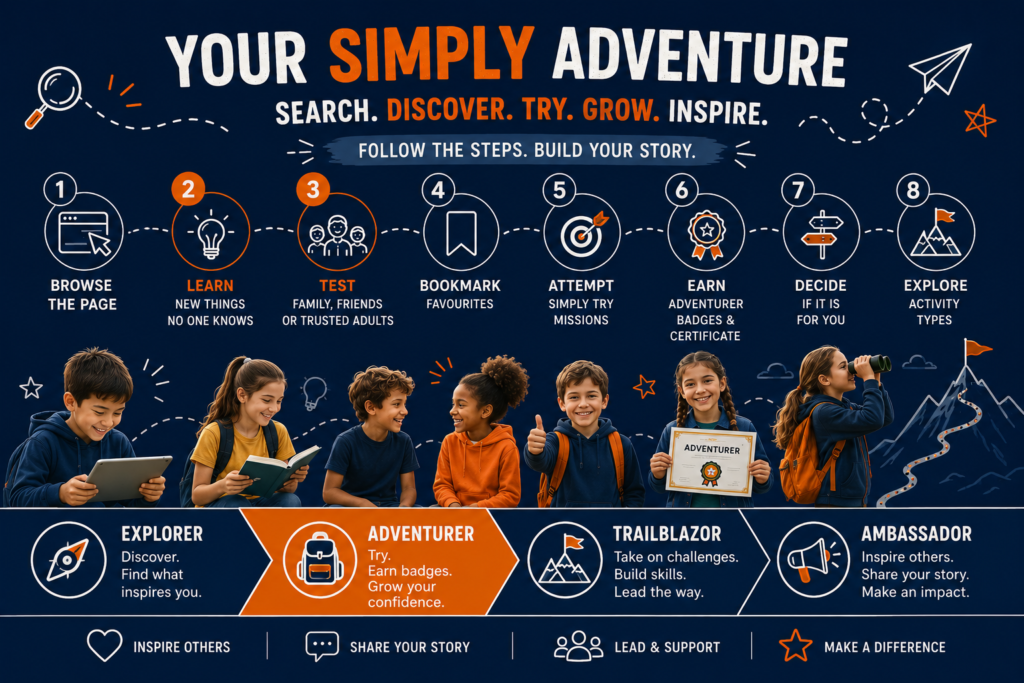
After exploring this page below, and discovering all about the activity, and deciding that you wish to learn more, progress as a Trailblazor by exploring the Activity types to decide which one interests you.
On Activity Type Pages, you will have the opportunity to attempt Simply Grow Missions to develop your skills, and decide if you wish to challenge yourself with Simply Inspire Missions to progress as an Activity Ambassador.

Chair Yoga

Kids Yoga

Vinyasa Yoga

Hatha Yoga

Family Yoga

Ashtanga Yoga

Love the game, but interested in investigating other pathways, opportunities or ways of getting involved. Keep exploring...

Simply Snapfacts

Why is Vinyasa yoga called ‘flow yoga’?
Movements connect continuously with breathing instead of stopping between poses.
Vinyasa Yoga
0
Why do kids yoga classes use storytelling and games?
Playful movement keeps children engaged while learning coordination and balance.
Kids Yoga
0
Why is Ashtanga yoga physically demanding compared to slower yoga styles?
Fixed movement sequences are performed continuously with controlled breathing.
Ashtanga Yoga
0
Why does Hatha yoga often focus on slower movements?
Slower pacing helps students concentrate on breathing and posture control.
Hatha Yoga
0
Why do family yoga sessions often include partner poses?
Shared poses help children and adults practise balance and coordination together.
Family Yoga
0

Competitive Formats

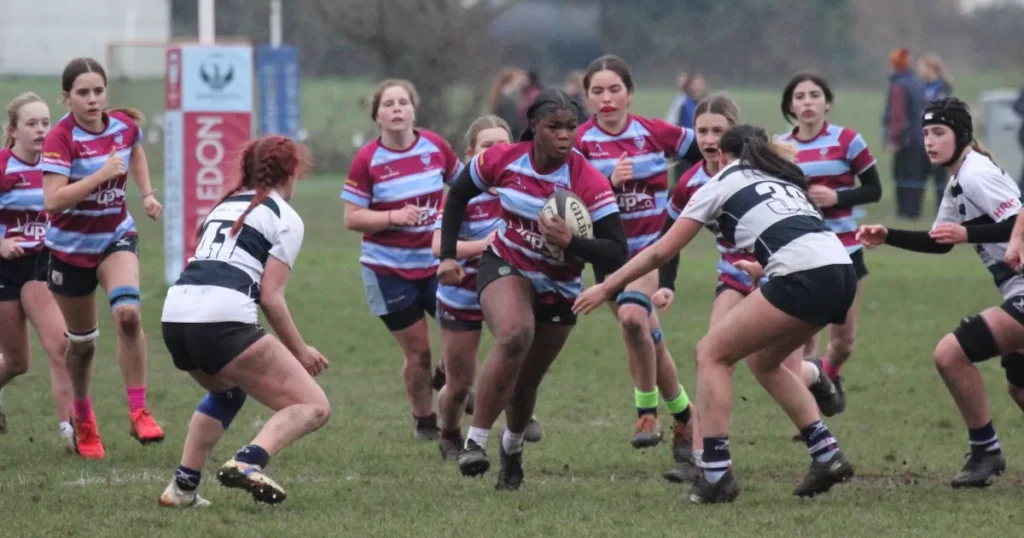
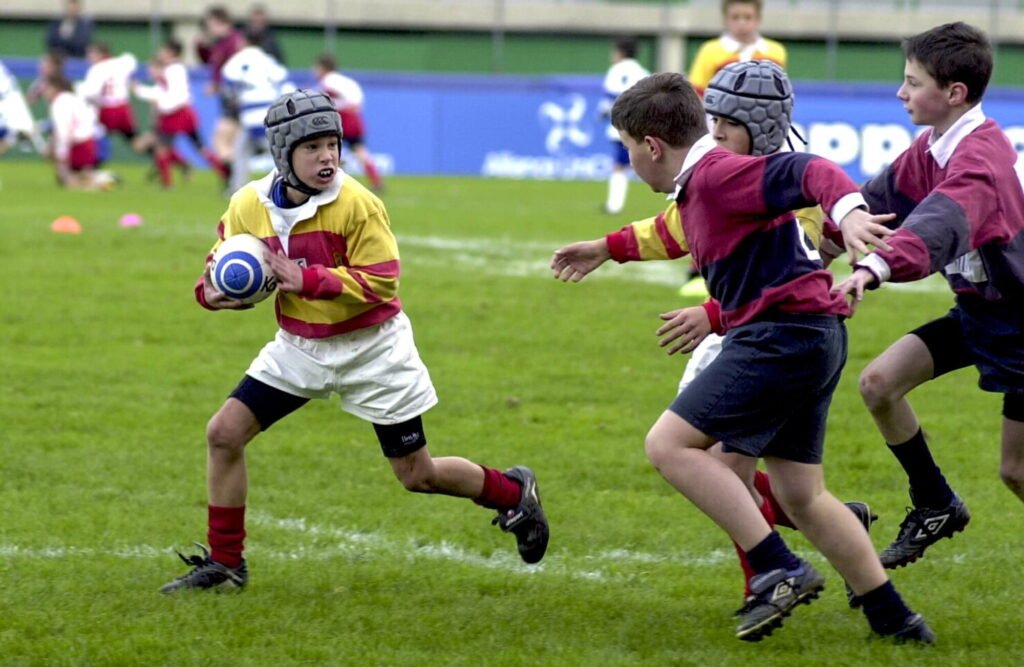
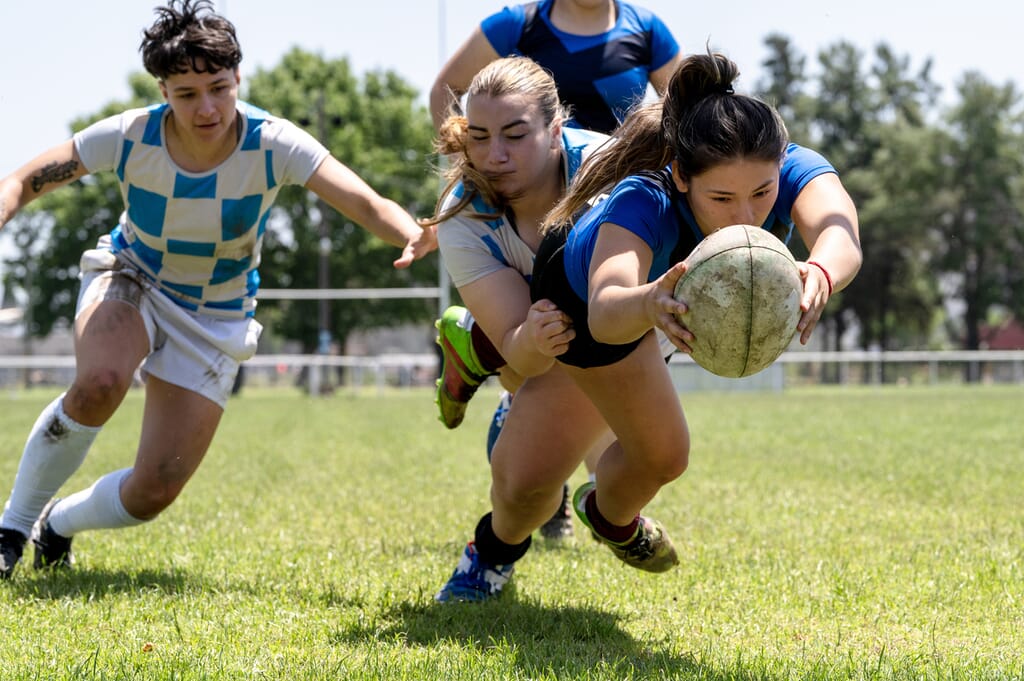
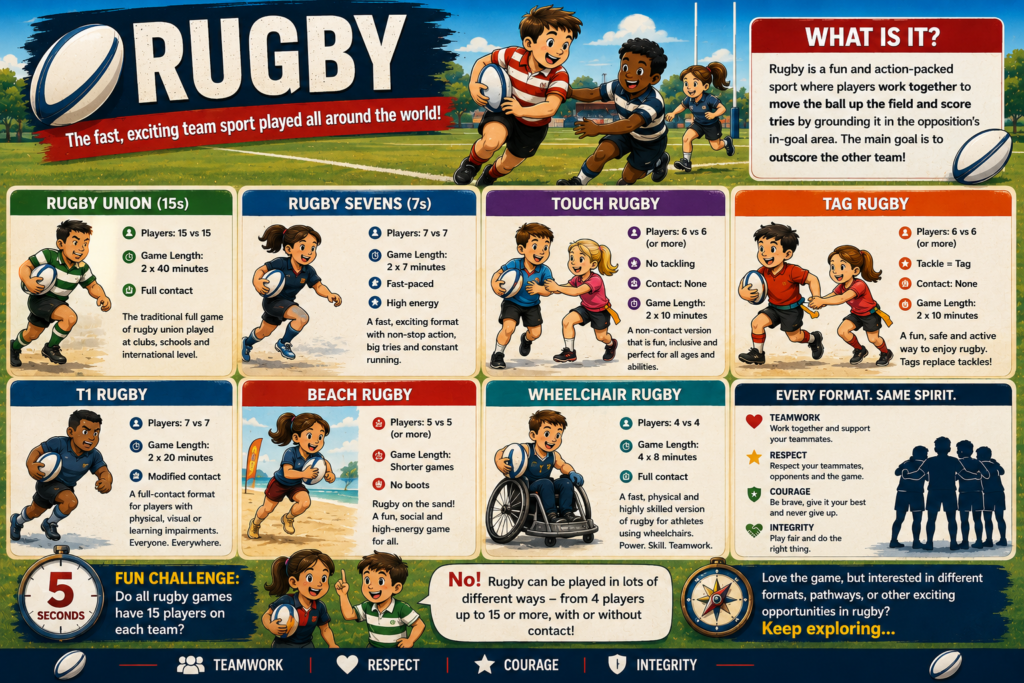
Rugby is a diverse and inclusive sport that, the aim is to advance the ball forward, to score a try. Whether you enjoy fast-paced running games, physical challenges, strategic teamwork or adaptive formats, there is a version of rugby to suit different interests, abilities and goals. Each format has its own rules, number of players, playing environment, playing time and, in many cases, its own governing body or competition structure. While every version is unique, all share rugby’s core values of respect, teamwork, confidence and belonging.

Non-Contact Rugby

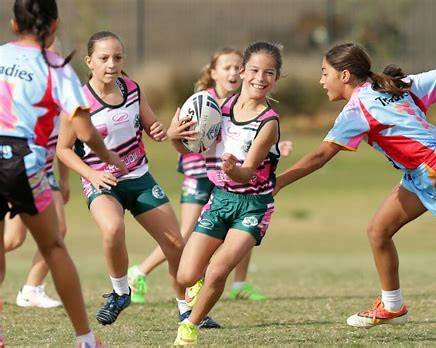
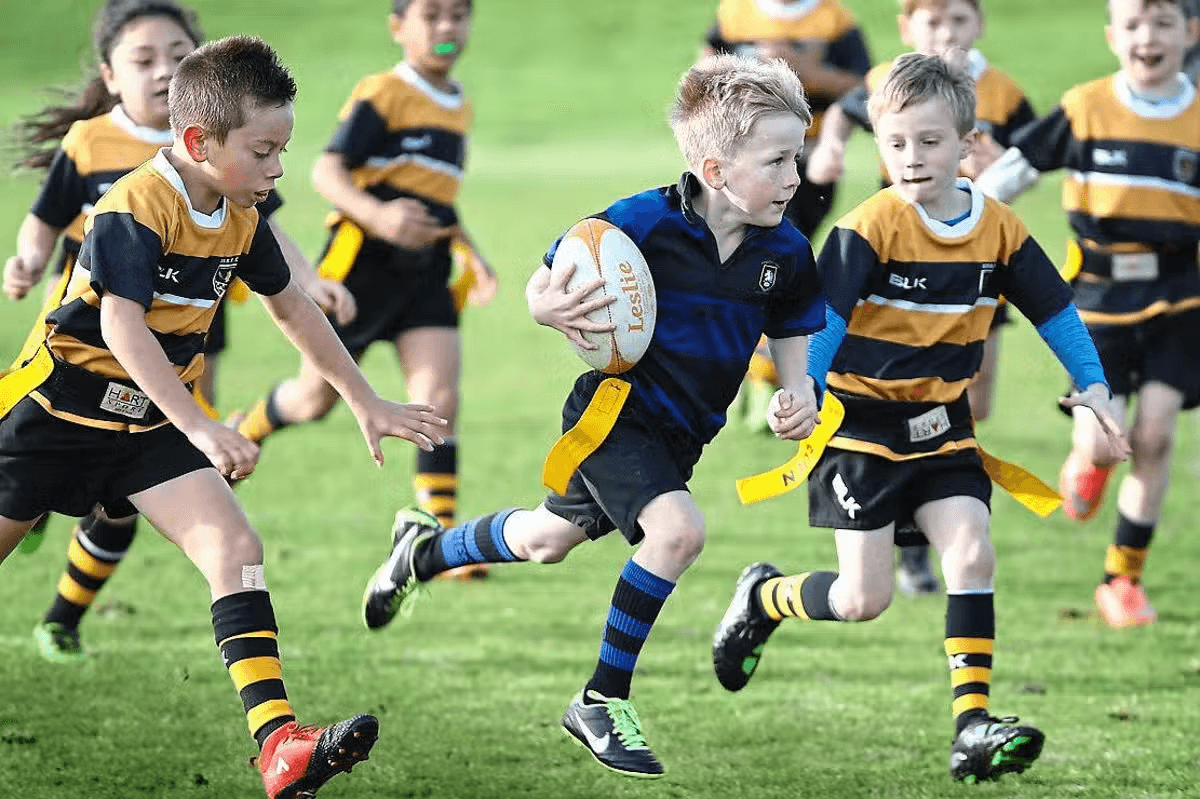
Non-contact rugby includes formats where tackling is replaced by touches, tags or other methods of stopping play, making the game more accessible while still retaining many of rugby’s core skills and principles. It focuses on passing, movement, teamwork, decision-making and spatial awareness, often with fewer stoppages and a faster flow of play. Each format has its own rules, number of players, playing time, pace and governing body. Non-contact rugby can also be adapted to support players of different ages, abilities and needs, and always searching for new ways that more people can enjoy and participate in the game.

  • Touch Rugby
  • Tag Rugby
  • T1 Rugby

Contact Rugby

Contact rugby includes formats where touches or tags are replaced with unique elements like scrums, rucks, mauls and line-outs. These elements of the game are introduced after game is stopped by penalty or tackling and physical contact that form part of the game.  Games can  differ significantly in rules, number of players, playing time, pace, playing environment and governing bodies. Many formats can too feature unique elements such as kicking contests and set pieces, while adaptive formats may modify or replace some of these aspects and can be either contact or non-contact depending on the version being played. Each offers its own challenges, requiring skill, teamwork, determination and resilience.

  • Rugby Union
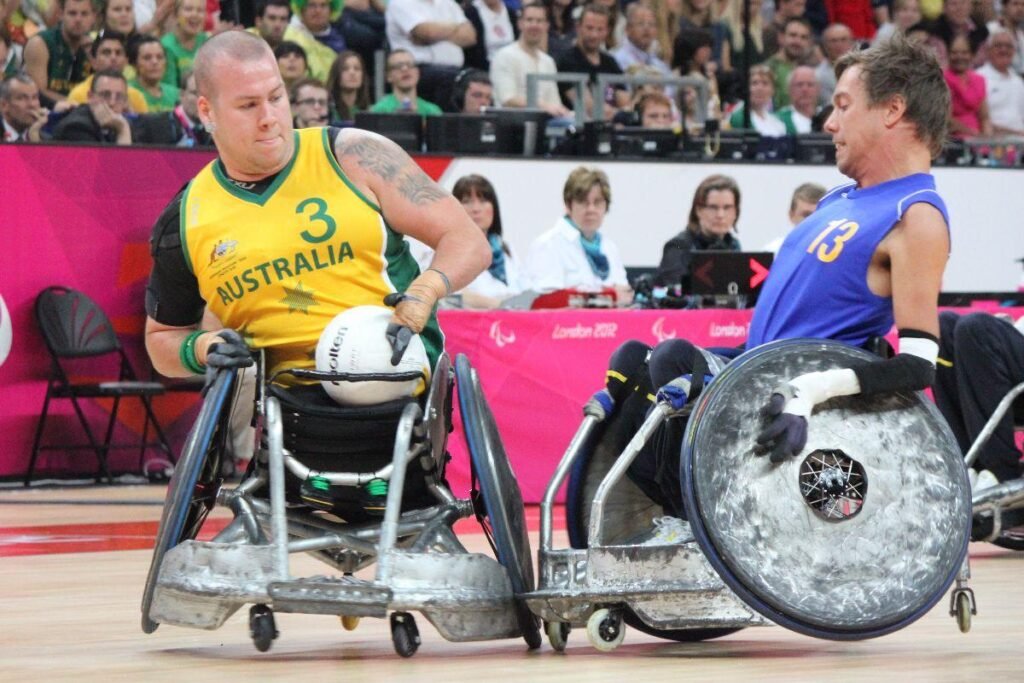
  • Wheelchair Rugby
  • Rugby League
  • Beach Rugby
  • Rugby Sevens

Inclusive Rugby

Rugby has continued to develop new formats to engage all individuals, irrespective of ability, experience or circumstances to participate, challenge themselves and enjoy being part of the game. Every individual is encouraged to contribute, support others and recognise the unique strengths that each person brings to the team. By working together, players learn how different skills, perspectives and abilities can unite to achieve a common goal. The games can take on one or a combination of rugby disciplines, based on participants and programme. Whether participating recreationally or competitively, inclusive rugby demonstrates that success is defined by resilience, character, commitment and the willingness to work alongside others. It reflects the spirit of rugby at its best, where everyone has a role to play, every contribution is valued and teams become stronger through collaboration, trust and mutual respect.

  • Mixed ability Rugby
  • Visually Impaired Rugby
  • Walking Rugby

Core Skills

Click to Explore other Activities that build these core skills.

Competitive Pathways

Competitive pathways provide a general guide to some of the adventures and opportunities that may be available as you grow, develop and gain experience. They are designed to show what is possible, not define your pathway.

We all have different goals, and those goals can change over time. You may want to have fun, learn new skills, make friends, stay active, compete, or simply try something new. Different activity formats, countries and governing bodies may offer different pathways and experiences.

Explore the possibilities, discover what you enjoy, and choose the pathway that best supports your own Simply Story.

July 5
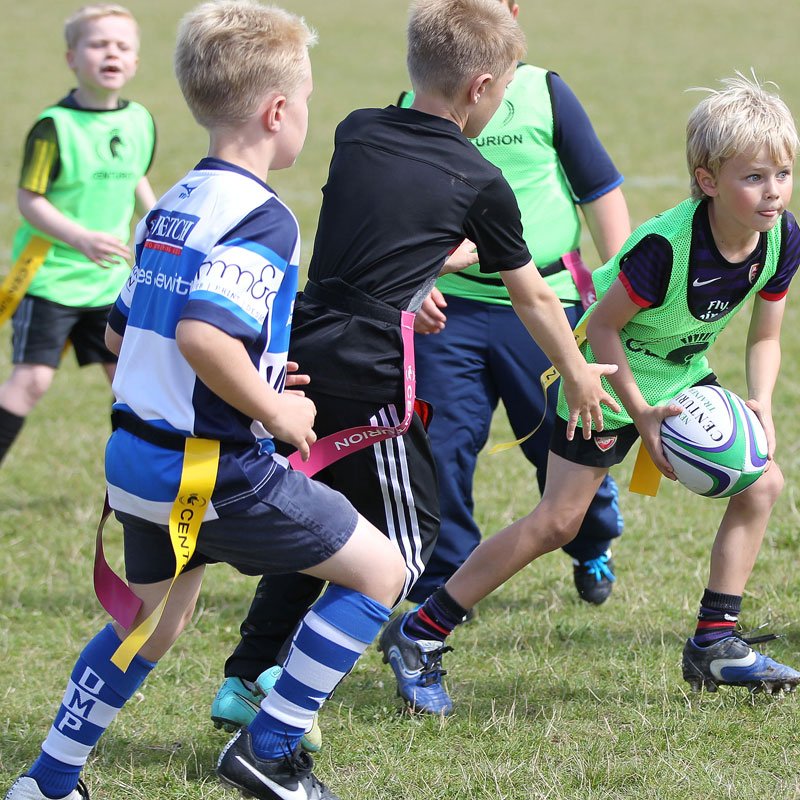
tag rugby 6
Early Years Foundation

Discover movement, play, coordination and basic skills through fun, age-appropriate activities.

February 2
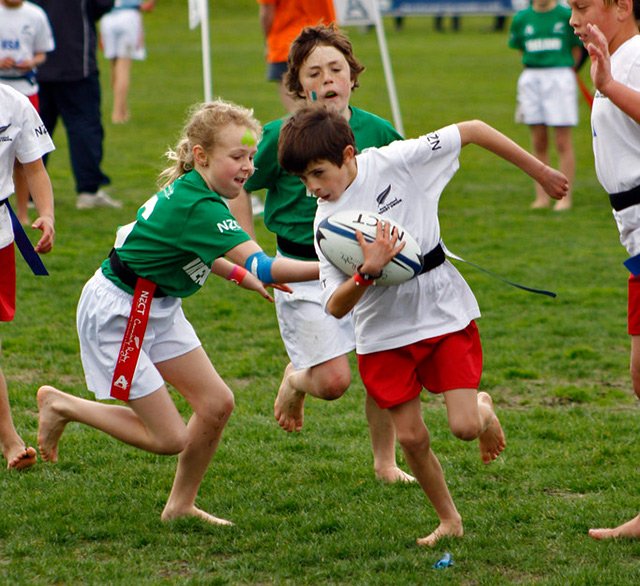
tag rugby 9
Mini's

Learn the fundamentals, develop confidence and begin playing in simple games and team environments.

January 31
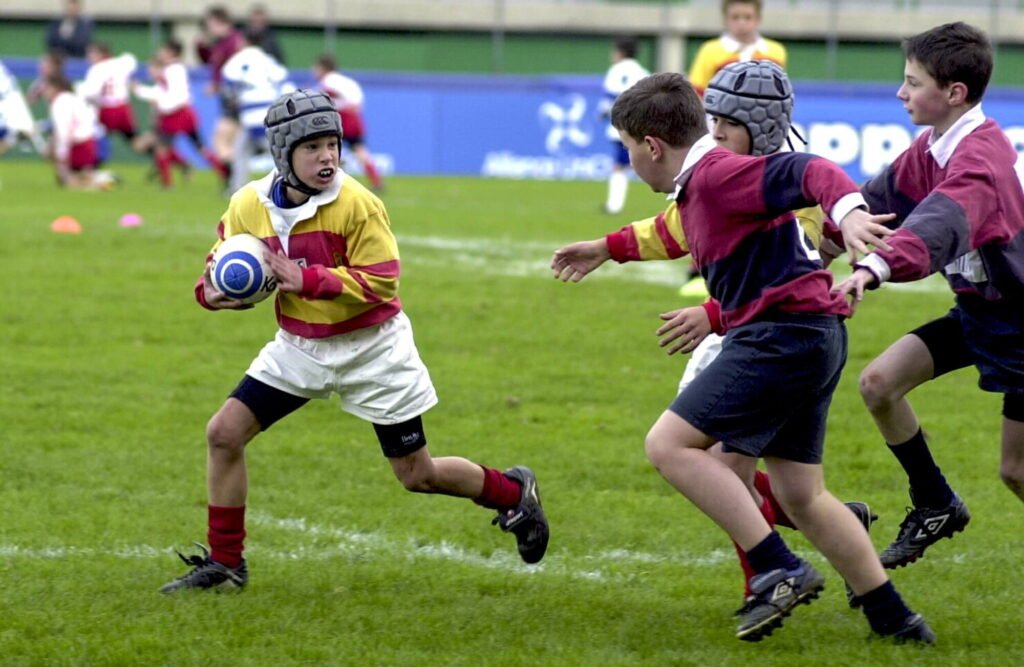
Juniors

Build skills, understanding and experience through regular training, competition and personal development.

January 31
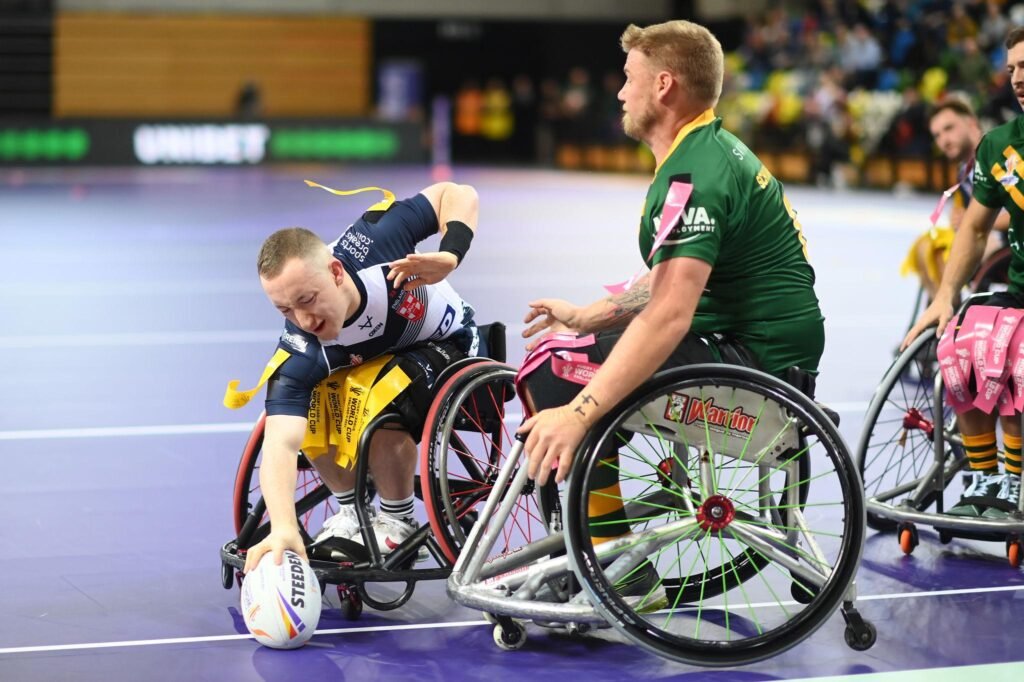
Regional

Represent a wider area, competing against stronger opposition and demonstrating advanced ability and commitment.

January 31
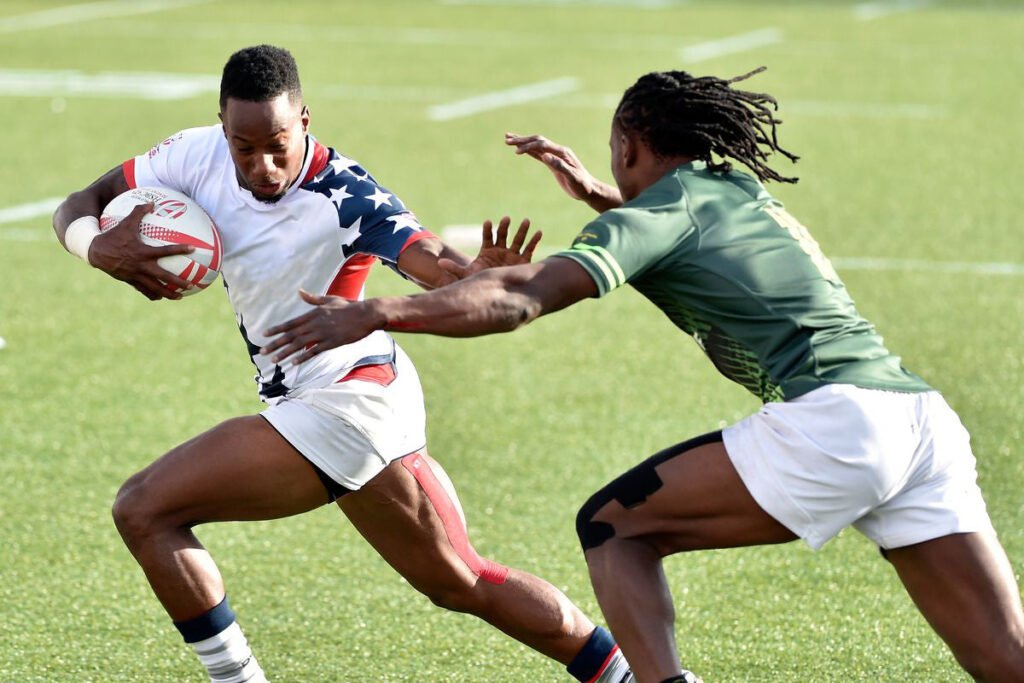
National

Compete or represent at a national level, performing among the highest standard of players in the country.

January 31
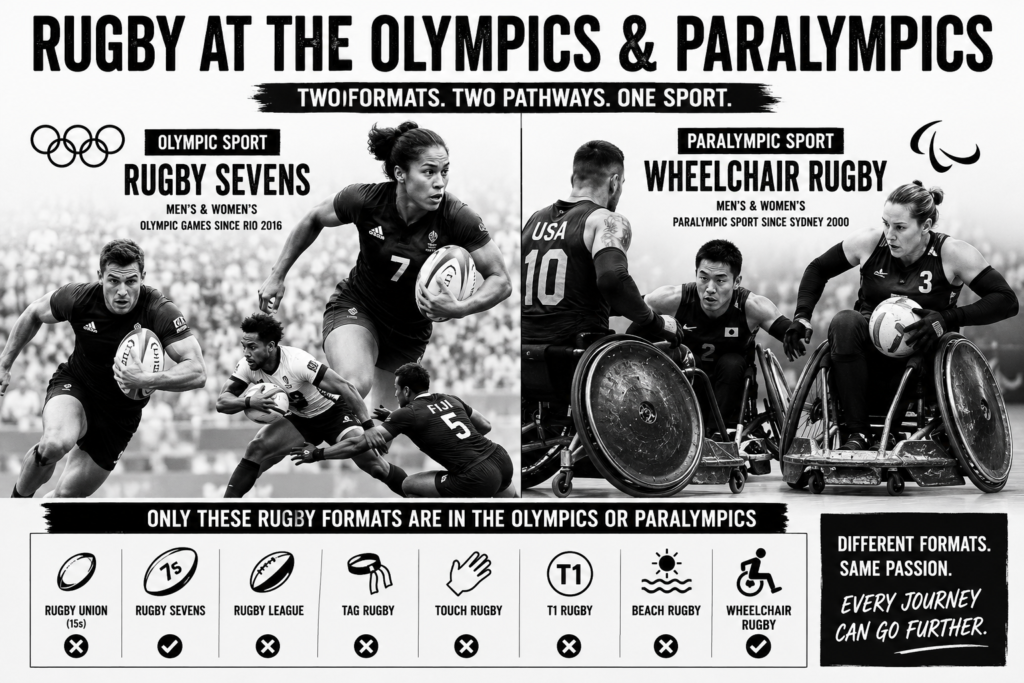
Olympics / ParaOlympics

Compete on the world stage, representing your country at elite international competitions, Olympic or Paralympic events.

Search for a Local Club

Simply FACT

Simply History

1871

Rugby Union
Rugby Union was formally organised in 1871 when the Rugby Football Union was founded in England to standardise the rules.

1883

Rugby Sevens
Rugby Sevens was created in Melrose, Scotland, in 1883 by Ned Haig and David Sanderson as a fundraising tournament.

1895

Rugby League
Rugby League was created in 1895 when northern English clubs split from Rugby Union over payments for players who missed work.

1960

Touch Rugby
Touch Rugby developed strongly in Australia in the 1960s and 1970s as a non-contact rugby-style sport.

1977

Wheelchair Rugby
Wheelchair Rugby was originally called Murderball when it was created in Canada in 1977 by athletes with quadriplegia.

2000's

Tag Rugby
Tag Rugby became widely used in schools in the late 20th century as a non-contact way to teach passing, movement and teamwork.

2023

T1 Rugby
T1 Rugby was launched by World Rugby in 2023 as a new non-contact version of rugby designed to make the sport faster, safer, and more accessible for players of all ages and abilities.


Simply Scorecards

Try

Ashtanga Yoga
Chair Yoga
Family Yoga
Hatha Yoga
Kids Yoga
Vinyasa Yoga

Conversion

Ashtanga Yoga
Chair Yoga
Family Yoga
Hatha Yoga
Kids Yoga
Vinyasa Yoga

Drop Kick

Ashtanga Yoga
Chair Yoga
Family Yoga
Hatha Yoga
Kids Yoga
Vinyasa Yoga

Penalty

Ashtanga Yoga
Chair Yoga
Family Yoga
Hatha Yoga
Kids Yoga
Vinyasa Yoga

Simply Comparisons

Starting Age

Ashtanga Yoga
10+ Years
Chair Yoga
All ages
Family Yoga
All ages
Hatha Yoga
8+ Years
Kids Yoga
4+ Years
Vinyasa Yoga
8+ Years

Players

Ashtanga Yoga
1 or group class
Chair Yoga
1 or group class
Family Yoga
1 or group class
Hatha Yoga
1 or group class
Kids Yoga
1 or group class
Vinyasa Yoga
1 or group class

Length of Play

Ashtanga Yoga
30–60 minutes
Chair Yoga
30–60 minutes
Family Yoga
30–60 minutes
Hatha Yoga
30–60 minutes
Kids Yoga
30–60 minutes
Vinyasa Yoga
30–60 minutes

What is it all about?

Ashtanga Yoga
Ashtanga Yoga is a form of yoga that helps people practise the key skills of the activity in a fun, focused and active way.
Chair Yoga
Yoga adapted using a chair, supporting balance, stretching and accessible movement.
Family Yoga
Families practise simple poses and breathing together, building connection, calm and confidence.
Hatha Yoga
A gentle yoga style using poses, breathing and relaxation to build calm and flexibility.
Kids Yoga
Children use playful poses, stories and breathing to build balance, focus and calm.
Vinyasa Yoga
A flowing yoga style where movements link with breathing in smooth sequences.

Olympic Status

Ashtanga Yoga
Non-Olympic
Chair Yoga
Non-Olympic
Family Yoga
Non-Olympic
Hatha Yoga
Non-Olympic
Kids Yoga
Non-Olympic
Vinyasa Yoga
Non-Olympic

Player Positions

Ashtanga Yoga
Yogi, Yoga Student, Yoga Teacher, Instructor
Chair Yoga
Yogi, Yoga Student, Yoga Teacher, Instructor
Family Yoga
Yogi, Yoga Student, Yoga Teacher, Instructor
Hatha Yoga
Yogi, Yoga Student, Yoga Teacher, Instructor
Kids Yoga
Yogi, Yoga Student, Yoga Teacher, Instructor
Vinyasa Yoga
Yogi, Yoga Student, Yoga Teacher, Instructor

Simply Try

Let the Journey Begin

The Discovery Missions are designed to introduce the sport, in a fun and inclusive way.

  1. Read the Discovery Mission and learn what you’ll be doing.
  2. Discover what you’ll learn and the skills you’ll develop.
  3. Complete the Mission and have fun!
  4. If you wish to, Record and reflect on your experience by writing in your Personal Journal.
  5. Earn an Adventurer Badge for each completed Discovery Mission.
  6. Unlock your Adventurer Certificate when you have successfully completed 3 of your chosen Discovery Missions.

Browse Equipment

Browse Pre-Loved

Pre-loved shopping is a smart and sustainable way to find quality items at great value. From sports equipment and books to games, hobbies and everyday essentials, many pre-loved items have been carefully looked after and are ready for their next adventure. Browse trusted brands, discover hidden gems and find products that have already stood the test of time.

Browse New

Spending money is an important decision, so it’s worth exploring your options before you buy. Browse a variety of stores to compare products, prices and services, helping you find the right item at the right value. Whether you’re looking for sports equipment, books, games or hobby supplies, take the time to shop around and make an informed choice.

Simply Tip: Create a wishlist for birthdays, save or earn pocket money by doing chores.

Test your friends & family's knowledge by flipping Simply Snapfacts
Inspire-Me Galleries Challenge-Me Galleries |

Which country is strongly linked to early ice skating?
The Netherlands is strongly linked to early ice skating, where frozen canals were used for travel and recreation.
Ice Skating
0
When did modern windsurfing develop?
Modern windsurfing developed in the 1960s, with Hoyle Schweitzer and Jim Drake helping patent an influential sailboard design in 1968.
Windsurfing
0

Membership Required

You must be a member to access this content.

View Membership Levels

Already a member? Log in here

Keep up with the conversations that highlight useful content on the site, ideas and new ideas.

Have Fun

Accept
Scroll to Top