


Open Water Swimming

What is it?

What to do Next?

Activity Types

Just like we are all different, so are the opportunities available to us as unique individuals. Deciding what you prefer based on your skills and preferences is an exciting journey.
Keep searching below to find out more.

Love the game, but interested in investigating other pathways, opportunities or ways of getting involved. Keep exploring...

Simply Snapfacts

Why do swimmers push explosively off pool walls during turns?
Strong turns can save valuable seconds during races.
Pool Swimming
0
Why do Olympic swimmers wear tight racing suits?
Streamlined suits reduce drag and improve efficiency through the water.
Swimming
0
Why do lifesaving competitions include mannequin rescues?
Events simulate emergency rescue situations used by real lifeguards.
Lifesaving
0
Why are para swimmers grouped into classifications?
Classification systems create fair racing between athletes with similar impairments.
Para Swimming
0
Why is freestyle usually the fastest swimming stroke?
Alternating arm action and continuous kicking create powerful forward speed.
Freestyle Swimming
0

Membership Required

You must be a member to access this content.

View Membership Levels

Already a member? Log in here

SIMPLY FACTS

Simply History

Swimming has been part of the modern Olympic Games since Athens 1896.
Open Water Swimming became an Olympic event at the Beijing 2008 Games with the 10 km marathon swim.
Para Swimming has been part of the Paralympic Games since the first Paralympics in Rome in 1960.
Swimming has been part of the modern Olympic Games since Athens 1896.


Simply Comparisons

What is it all about?

Swimming Relay
Swimming Relay is a team aquatics race where swimmers take turns racing a set distance.
Freestyle Swimming
Swimmers usually use front crawl, focusing on breathing, rhythm and speed through the water.
Lifesaving
Athletes practise rescue-based swimming, board and beach events that build safety skills.
Open Water Swimming
Swimmers race or explore outdoors in lakes, rivers or seas, building endurance and safety awareness.
Para Swimming
Adapted swimming events where disabled athletes compete using different strokes and classifications.
Pool Swimming
Swimmers train or race in pools, practising strokes, breathing and speed.
Swimming
Swimmers use frog-like kicks and sweeping arms, focusing on timing and glide.

Olympic Status

Swimming Relay
Summer Olympics, 1896
Freestyle Swimming
Summer Olympics, 1896
Lifesaving
Non-Olympic
Open Water Swimming
Summer Olympics, 2008
Para Swimming
Paralympics, 1960
Pool Swimming
Summer Olympics, 1896
Swimming
Summer Olympics, 1896

Starting Age

Swimming Relay
6+ Years
Freestyle Swimming
4+ Years
Lifesaving
8+ Years
Open Water Swimming
8+ Years
Para Swimming
4+ Years
Pool Swimming
4+ Years
Swimming
4+ Years

Players

Swimming Relay
1
Freestyle Swimming
1
Lifesaving
1 or team
Open Water Swimming
1
Para Swimming
1
Pool Swimming
1
Swimming
1

Length of Play

Swimming Relay
Seconds to several hours depending on distance
Freestyle Swimming
Seconds to hours depending on event or distance
Lifesaving
15–30 minutes per heat; session varies
Open Water Swimming
Seconds to hours depending on event or distance
Para Swimming
Seconds to hours depending on event or distance
Pool Swimming
Seconds to hours depending on event or distance
Swimming
Seconds to hours depending on event or distance

Simply Try

Let the Journey Begin

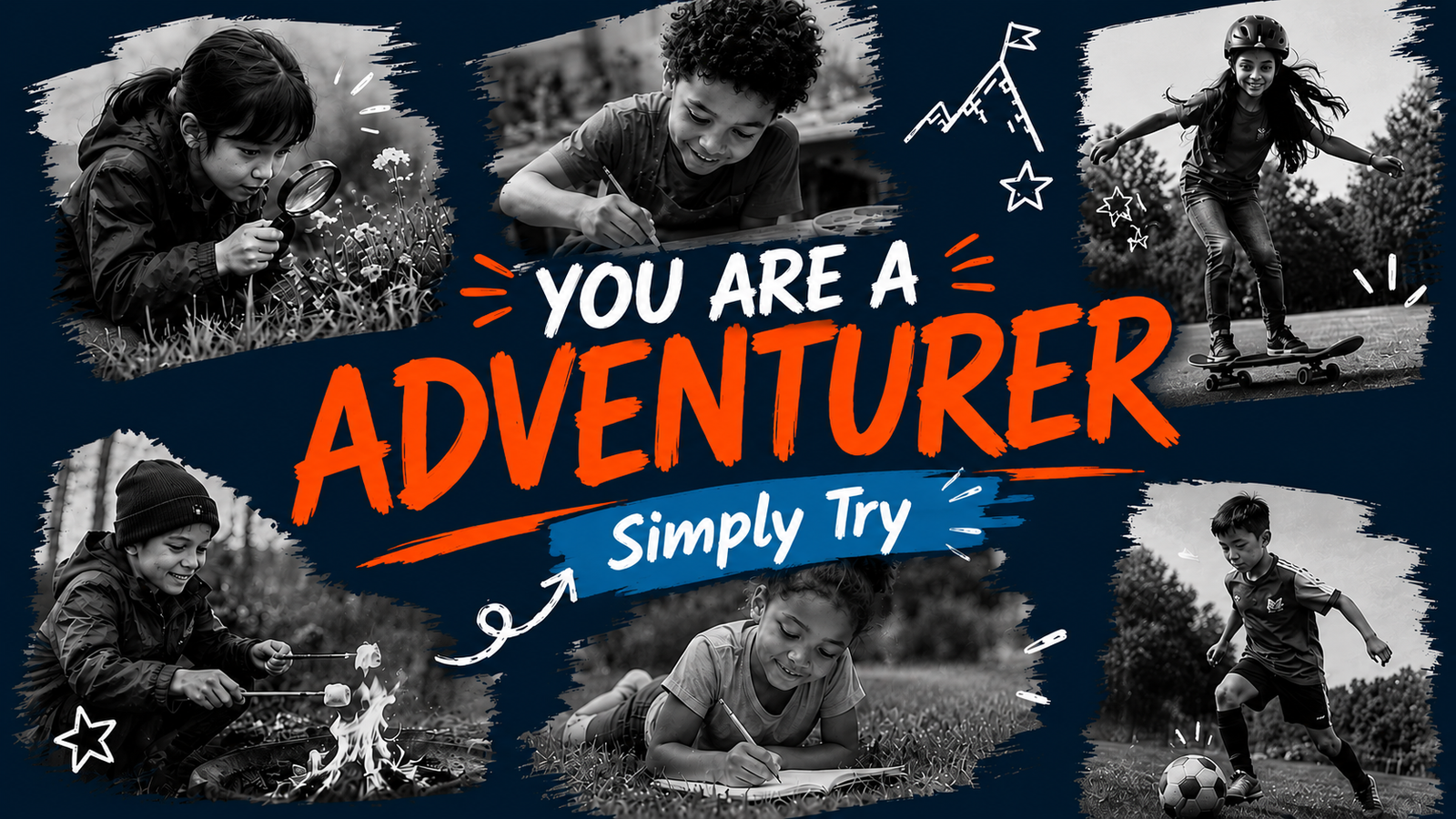
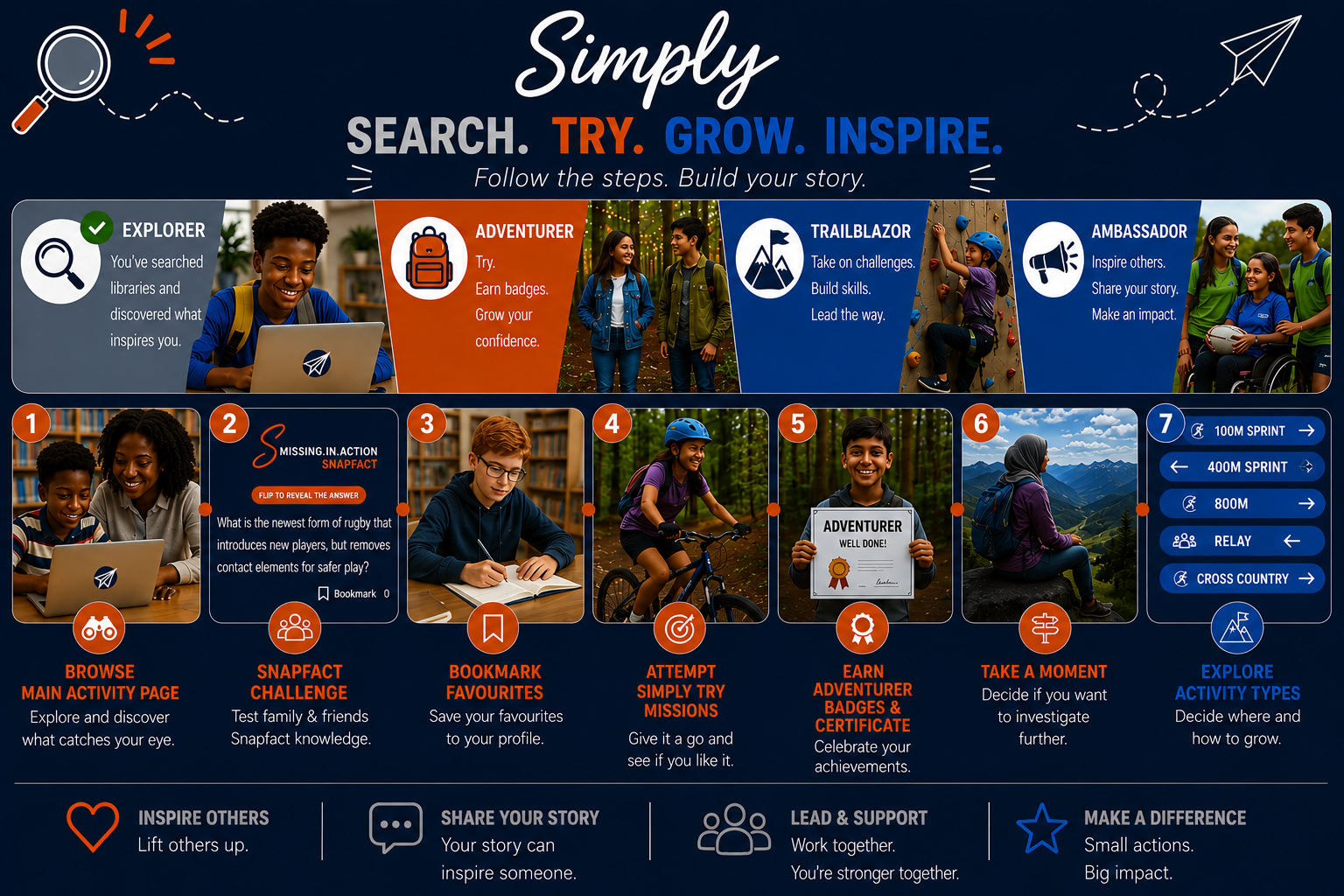
The Discovery Missions are designed to introduce the sport, in a fun and inclusive way.

  1. Read the Discovery Mission and learn what you’ll be doing.
  2. Complete the Mission friend, family member, trusted adult or just you,and have fun!
  3. If you wish to, Record and reflect on your experience by writing in your Personal Journal.
  4. Earn an Adventurer Badge for each completed Discovery Mission.
  5. Unlock your Adventurer Certificate when you have completed 4 of your chosen Discovery Missions.

Search for a Local Club

Explore Activity Types

After exploring this page below, and discovering all about the activity, and deciding that you wish to learn more, progress as a Trailblazor by exploring the Activity types to decide which one interests you.
On Activity Type Pages, you will have the opportunity to attempt Simply Grow Missions to develop your skills, and decide if you wish to challenge yourself with Simply Inspire Missions to progress as an Activity Ambassador.

Open Water Swimming

Swimming Relay

Pool Swimming

Lifesaving

Swimming

Freestyle Swimming

Para Swimming

Browse Equipment

Browse Pre-Loved

Pre-loved shopping is a smart and sustainable way to find quality items at great value. From sports equipment and books to games, hobbies and everyday essentials, many pre-loved items have been carefully looked after and are ready for their next adventure. Browse trusted brands, discover hidden gems and find products that have already stood the test of time.

Browse New

Spending money is an important decision, so it’s worth exploring your options before you buy. Browse a variety of stores to compare products, prices and services, helping you find the right item at the right value. Whether you’re looking for sports equipment, books, games or hobby supplies, take the time to shop around and make an informed choice.

Simply Tip: Create a wishlist for birthdays, save or earn pocket money by doing chores.

Test your friends & family's knowledge by flipping Simply Snapfacts
Inspire-Me Galleries Challenge-Me Galleries |

Where did Hip Hop dance culture begin?
Hip Hop dance culture began in the Bronx, New York, during the 1970s alongside DJing, MCing and graffiti art.
Hip Hop
0
When did Synchronised Diving become an Olympic sport?
Synchronised Diving became an Olympic event at the Sydney 2000 Games.
Synchronised Diving
0

Keep up with the conversations that highlight useful content on the site, ideas and new ideas.

Have Fun

Accept
Scroll to Top